Introduction
The Stadio Olimpico, located in Rome, Italy, is one of the most iconic sports venues in the world. Opened in 1932, it serves as the home ground for two of Italy’s major football clubs, AS Roma and SS Lazio, and has played a pivotal role in hosting prestigious events such as the UEFA Champions League finals and the 1990 FIFA World Cup. The significance of this stadium extends beyond football, as it has been the site of various athletics competitions, concerts, and even the Olympics.
Key Events at Stadio Olimpico
Over the decades, Stadio Olimpico has witnessed a multitude of historic sporting moments. It was the main stadium for the 1960 Rome Olympics, where it showcased the pinnacle of athletic talent. The stadium was renovated in preparation for the 2009 UEFA Champions League final, which saw FC Barcelona defeat Manchester United. Additionally, in 1990, it was one of the main venues for the FIFA World Cup, welcoming thousands of fans from around the globe.
Recent Developments
In recent months, the Stadio Olimpico has been undergoing a series of upgrades aimed at enhancing the fan experience during matches. These improvements include expanded seating for better comfort and accessibility, upgraded facilities, and enhanced digital screens for improved viewing. These developments align with Italy’s broader vision of modernising its sporting infrastructure ahead of future international events.
Significance for Local Community and Culture
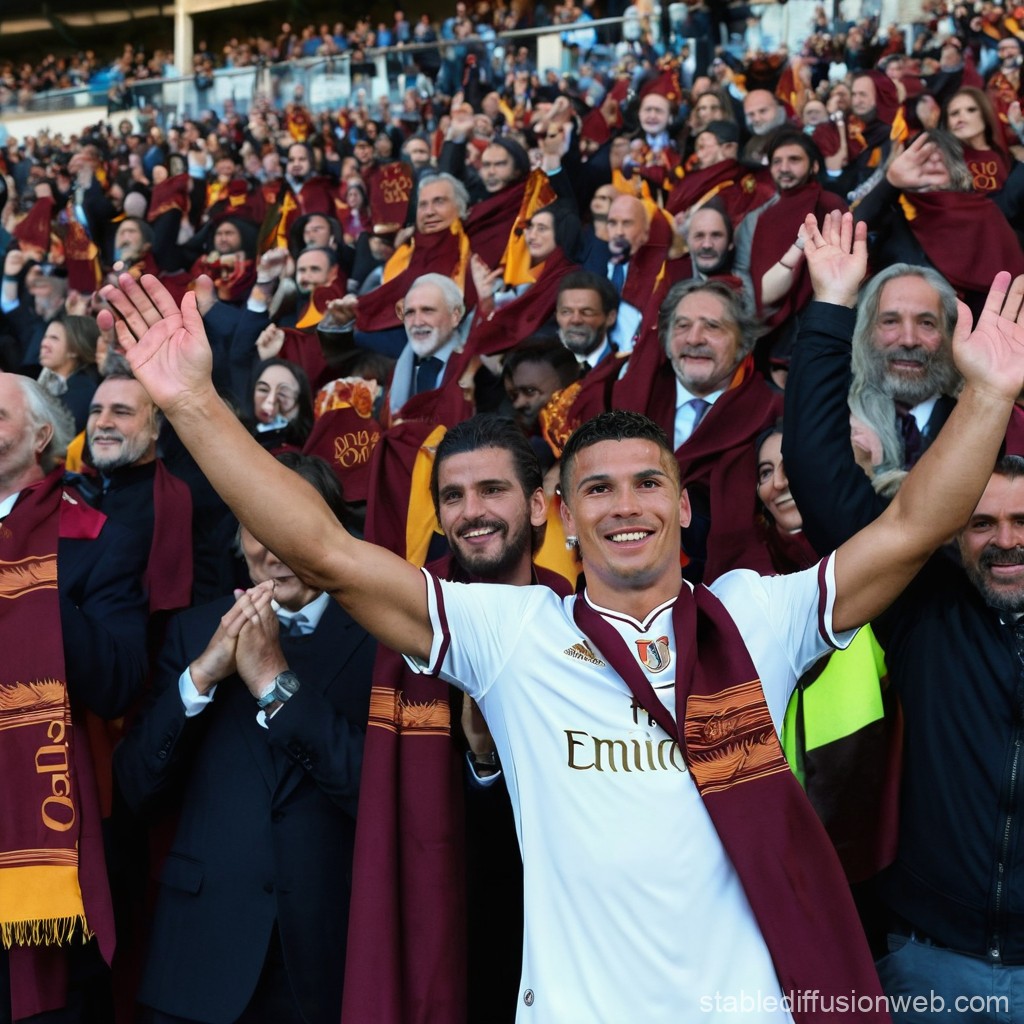
Stadio Olimpico is more than just a venue for sports; it is an integral part of Rome’s cultural landscape. The stadium attracts millions of visitors each year, fostering a vibrant atmosphere that contributes to the local economy. Match days see an influx of supporters who not only come to watch the games but also partake in the rich traditions surrounding Italian football, such as pre-match rituals and celebrations in the streets.
The Future of Stadio Olimpico
Looking ahead, there are discussions regarding the expansion of the stadium and its potential to host more international events. As the demand for top-tier sporting events continues to grow, the Stadio Olimpico stands at the forefront of Italy’s sporting identity. Ensuring its continuous development and ability to provide an exceptional experience for visitors will be crucial in maintaining its status as a premier venue.
Conclusion
Stadio Olimpico remains a cornerstone of sporting excellence in Italy. As it evolves alongside the changing dynamics of sports and entertainment, it will undoubtedly continue to play a significant role in the cultural and economic life of Rome. For football fans and sports enthusiasts, the Stadio Olimpico is not just a stadium; it is a historic site that captures the spirit of sport and community.