Introduction
The National Grid is a crucial component of the United Kingdom’s energy infrastructure, managing the supply of electricity to homes, businesses, and industries across the country. With the ongoing shift towards renewable energy sources and the growing demand for electricity, understanding the National Grid’s operations and challenges is more important than ever.
Current Operations and Updates
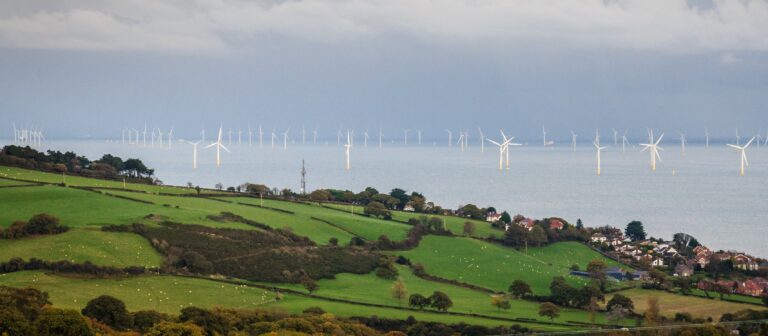
As of October 2023, the National Grid is undergoing significant upgrades to facilitate the integration of renewable energy. These enhancements include investing in energy storage solutions and improving grid flexibility to accommodate fluctuating energy demands. This summer, the National Grid recorded a historic high in renewable energy share, with wind and solar energy contributing more than 50% of the electricity supply at several points.
In addition to technological advancements, the National Grid is enhancing its infrastructure to improve resilience against weather-related disruptions. Extreme weather events have highlighted vulnerabilities in the grid system, prompting operators to bolster their network. For example, in response to the recent storms in the north of England that caused widespread outages, the National Grid has implemented new measures for rapid response and restoration.
Future Challenges
Despite the advancements, the National Grid faces numerous challenges ahead. One of the most pressing issues is securing sufficient energy supply as the UK aims to achieve its net-zero emissions target by 2050. This will involve increasing the capacity for electricity generation from renewable sources while also ensuring that non-renewable sources are phased out responsibly.
Moreover, regulatory challenges also persist, as the energy market evolves to incorporate more decentralized systems, such as community energy models and peer-to-peer trading. The introduction of electric vehicles (EVs) is another factor that the National Grid must prepare for, as widespread adoption will significantly increase electricity demand.
Conclusion
The National Grid is a pivotal element of the UK’s energy landscape, with ongoing developments aimed at enhancing its efficiency and sustainability. As the UK transitions towards a low-carbon future, the National Grid will be at the forefront of facilitating this critical transformation. Stakeholders, including consumers, government agencies, and energy businesses, must work together to address the challenges ahead and ensure a reliable energy supply for all. With the right investments and innovations, the National Grid can continue to meet the nation’s energy needs while embracing a greener future.