Introduction
The National Grid plays a crucial role in the United Kingdom’s energy infrastructure, acting as the backbone of electricity distribution across the country. As the UK shifts towards more sustainable energy sources and grapples with the challenges posed by climate change, the National Grid’s importance has become even more pronounced. Understanding how this system operates, its recent developments, and future challenges is essential for consumers and policy-makers alike.
What is the National Grid?
The National Grid is an interconnected network of transmission lines and substations that deliver electricity from producers to consumers. It ensures that over 60 million people across England, Wales, and parts of Scotland receive a stable and reliable power supply. Managed by National Grid Electricity System Operator (ESO), the grid is designed to balance supply and demand in real-time, creating a seamless flow of electricity.
Recent Developments
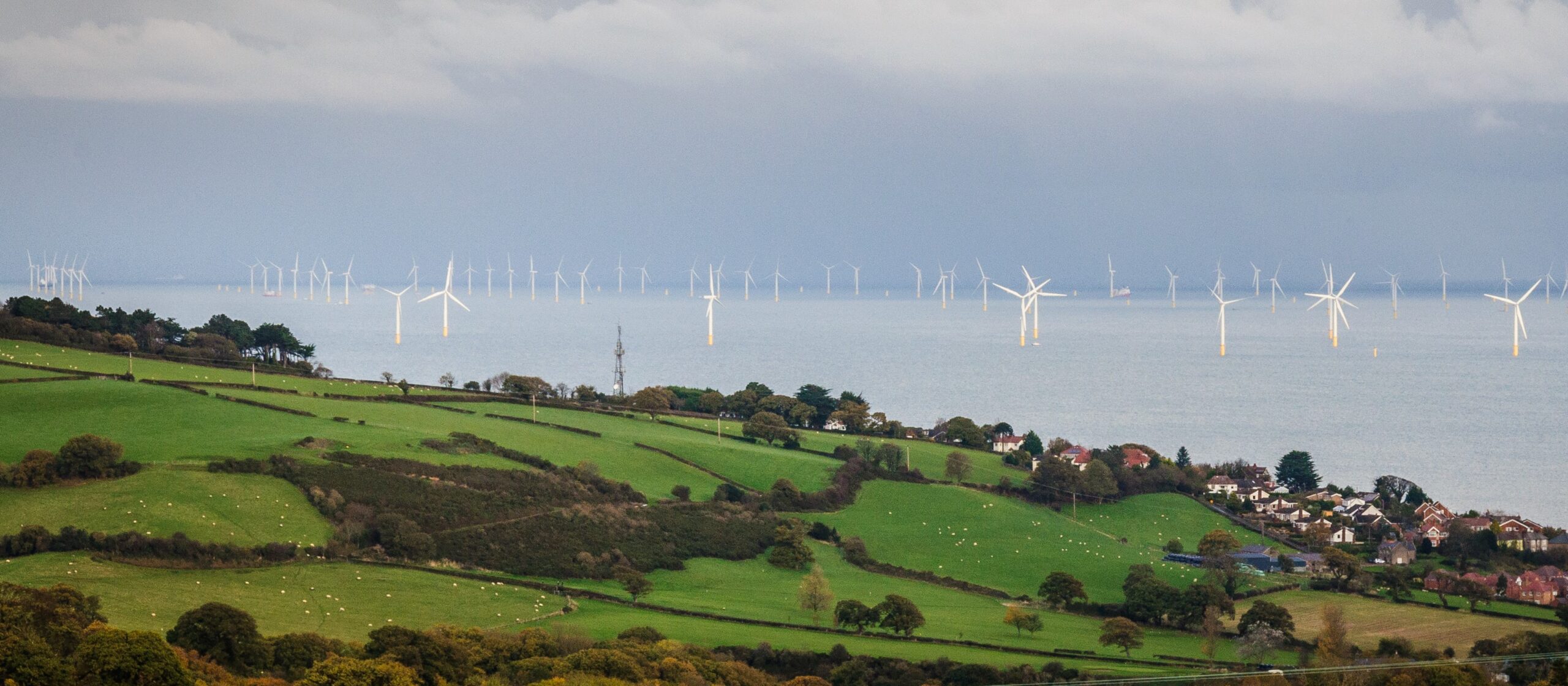
In recent months, the National Grid has undergone significant transformations to adapt to the increasing influx of renewable energy sources such as wind and solar. According to reports, renewable energy accounted for over 48% of the UK’s electricity generation in the first half of 2023, surpassing fossil fuels for the first time. This shift has necessitated investments in smart grid technology and infrastructure upgrades to manage the variability of renewable power and maintain stability in the grid.
Additionally, the National Grid has announced initiatives aimed at reducing carbon emissions, including a commitment to achieve net-zero carbon emissions by 2025. Proposals include enhancing battery storage capabilities and promoting demand-side response systems, where consumers can modify their energy usage based on grid demand.
Challenges Ahead
Despite the progress, the National Grid faces several challenges. One major concern is the aging infrastructure, which requires significant investment for maintenance and upgrades. Additionally, as more electric vehicles (EVs) enter the market, there will be increased demand on the grid, necessitating further adjustments and expansions.
Conclusion
The National Grid is central to the UK’s energy strategy, especially as the nation commits to transitioning to renewable energy sources. With ongoing developments aimed at creating a smarter, greener grid, stakeholders must continue to address the challenges ahead to ensure a robust energy system for future generations. As policies evolve and new technologies emerge, understanding the National Grid’s role remains essential for navigating the future of energy in the UK.