Introduction
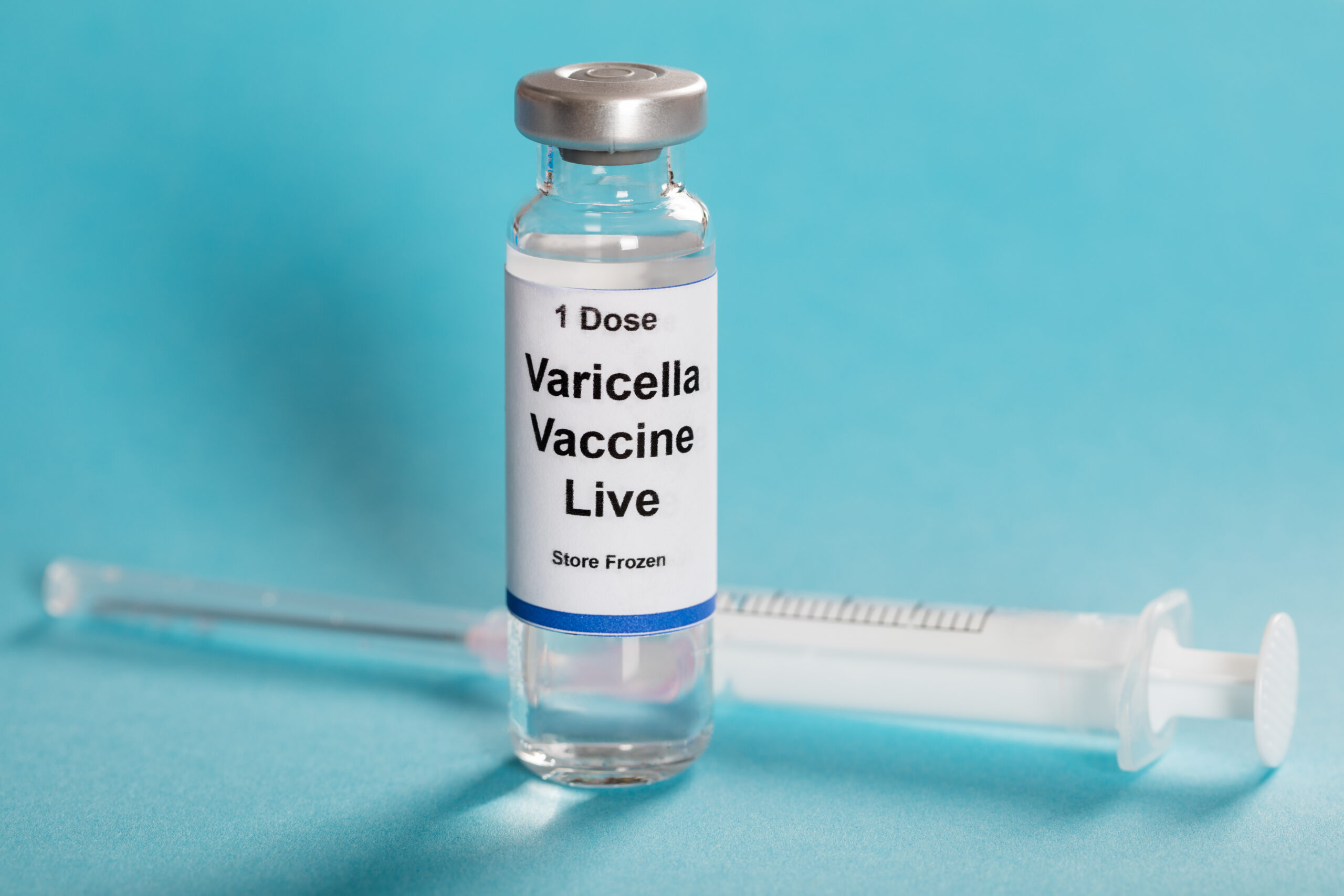
The chicken pox vaccine is a vital tool in public health, aimed at preventing a contagious disease that once affected millions worldwide. With resurgence of vaccine-preventable diseases in recent years, understanding the importance of the chicken pox vaccine has become increasingly relevant for parents, healthcare professionals, and the general public.
What is Chicken Pox?
Chicken pox, or varicella, is an infectious disease caused by the varicella-zoster virus (VZV), characterised by an itchy rash and flu-like symptoms. While most children recover without complications, chicken pox can lead to severe health issues, including pneumonia, encephalitis, and hospitalization, particularly in immunocompromised individuals.
Vaccination Impact
The introduction of the chicken pox vaccine in the 1990s has significantly reduced the incidence of the disease. Health authorities, like the National Health Service (NHS) in the UK, recommend the vaccine to children between 12 months and 18 months, and a second dose is advised around ages four to six. According to the NHS, the vaccine reduces the risk of contracting the disease by 90% and those who do contract it after vaccination tend to experience milder symptoms.
Current Vaccination Trends
Despite the proven effectiveness of the chicken pox vaccine, vaccination rates have fluctuated. In England, the uptake for the vaccine has seen a decline, raising concerns among health officials. A report published by Public Health England indicates that only 85% of children received the first dose by age five in 2022, down from 90% in previous years. The implications of these statistics are concerning, as lower vaccination rates can lead to outbreaks and increased healthcare costs.
Conclusion
The chicken pox vaccine plays a crucial role in safeguarding public health by dramatically lowering the incidence of the virus. Vaccination not only protects the individual but also contributes to community immunity, reducing the spread within populations. As vaccine hesitancy continues to pose challenges, it is essential for health authorities, parents, and educators to promote the benefits of the chicken pox vaccine. Raising awareness about the importance of reliable vaccination can help prevent potential outbreaks and ensure public health remains safeguarded.