Introduction
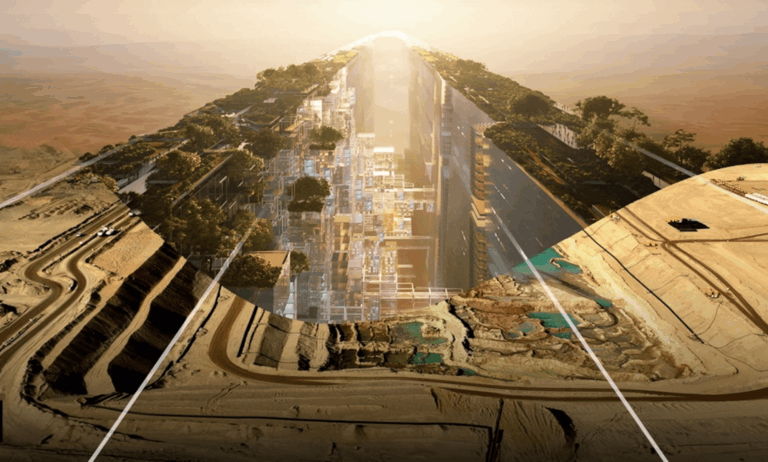
Public parks play a crucial role in enhancing community well-being and fostering social interactions. As urban areas continue to grow, these green spaces offer essential benefits that contribute to public health, environmental sustainability, and social cohesion. Recent events highlight the need to protect and modernise these public spaces for future generations.
Benefits of Public Parks
Research consistently shows that public parks significantly improve quality of life. Health benefits are substantial; parks provide residents with areas for physical activities such as walking, jogging, and playing sports, thereby promoting a healthier lifestyle.
Additionally, public parks have been shown to reduce stress and improve mental well-being. A 2022 study by the University of Exeter found that individuals who live near green spaces have lower rates of anxiety and depression. Furthermore, parks serve as social hubs where families gather, friends meet, and communities come together, fostering a sense of belonging and community solidarity.
Recent Developments
In light of the recent global focus on health and well-being, many cities have prioritised the development and renovation of public parks. For instance, in London, the ‘Greening Great Town’ initiative aims to incorporate more green spaces in urban planning. Similarly, in New York, parks are undergoing extensive refurbishments to include new play areas, walking paths, and community gardens to meet the growing demands of diverse populations.
Moreover, environmental concerns are driving the push for sustainable parks. City planners are increasingly incorporating native plant species, which require less water and maintenance, and employ eco-friendly materials for park upgrades. The trend towards sustainability reflects a broader public interest in preserving the environment while enhancing the usability of these spaces.
Conclusion
As cities continue to evolve, public parks remain vital to the urban landscape. They not only provide recreational opportunities but also promote social interaction, improve mental health, and contribute to environmental sustainability. The ongoing investments in public parks underscore their importance as green lungs of our communities, which can lead to healthier, happier, and more connected populations. As we move forward, the significance of protecting and enhancing these spaces will be paramount, ensuring they meet the needs of both current and future residents.