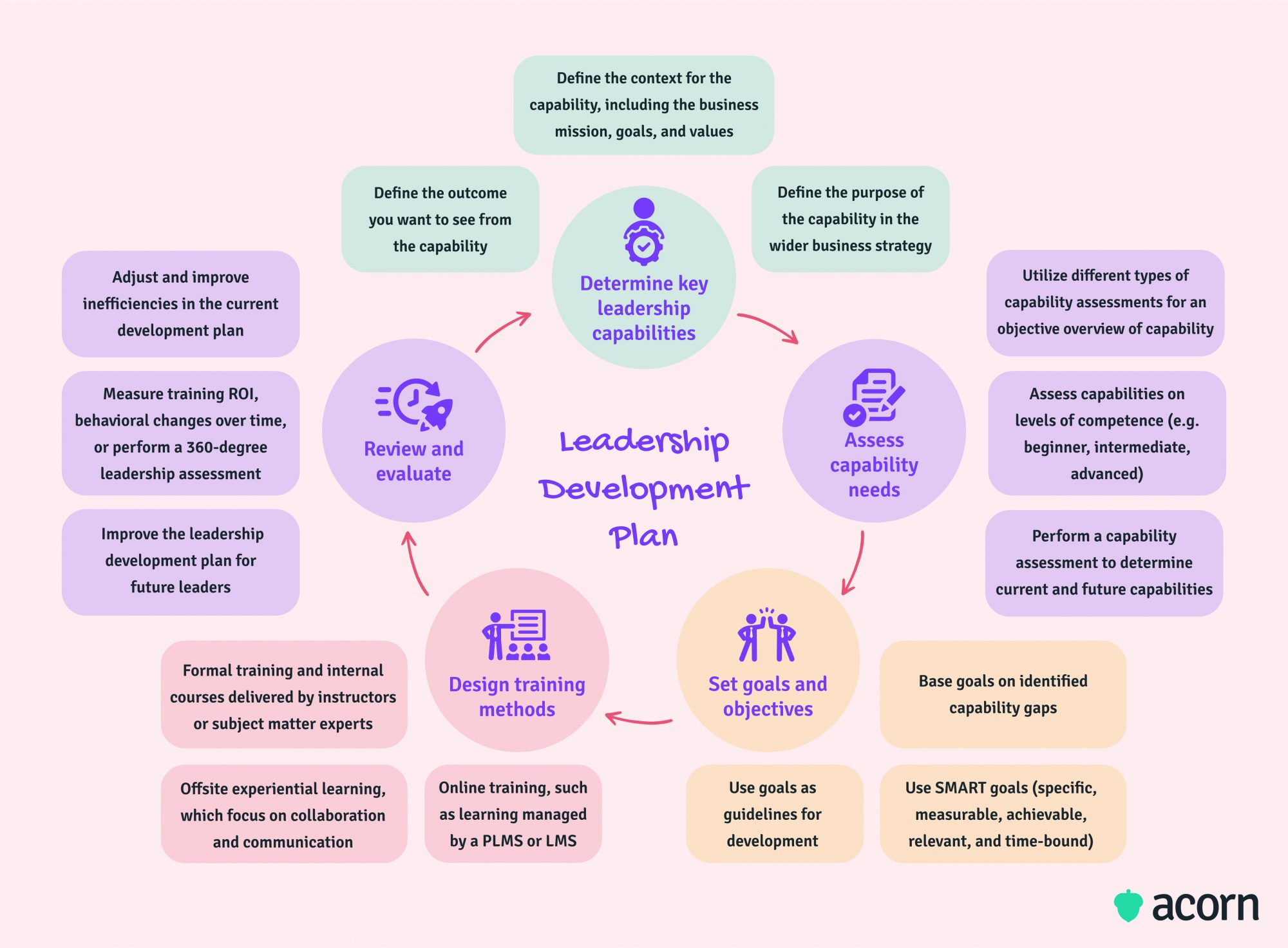
Introduction: The Significance of Leadership Development
Leadership development is crucial for organisational success in today’s rapidly changing business landscape. As companies face new challenges, the need for effective leaders who can guide teams and foster innovation becomes increasingly important. In 2023, organisations are re-evaluating their approaches to leadership development to build stronger, more resilient leaders who can navigate complex environments.
Current Trends in Leadership Development
This year, several key trends are shaping leadership development strategies across various sectors:
- Emphasis on Emotional Intelligence: Leaders today are expected to demonstrate high levels of emotional intelligence, recognising the importance of empathy, teamwork, and clear communication in fostering a positive work environment.
- Incorporation of Technology: Digital tools and platforms have revolutionised leadership training, making resources more accessible. Virtual reality, AI-driven coaching sessions, and online learning modules are becoming increasingly popular.
- Focus on Diversity and Inclusion: Leadership programmes are being designed with a keen focus on diversity and inclusion. Companies are actively seeking to develop leaders from varied backgrounds to drive innovation and represent different perspectives.
- Continuous Learning: The concept of leadership development is shifting towards continuous learning rather than one-off training sessions. Ongoing mentorship, feedback, and personal development plans are replacing traditional training approaches.
Case Studies and Examples
Several organisations have successfully implemented innovative leadership development initiatives. For instance, global tech company Microsoft has embraced a culture of continuous feedback, allowing leaders to learn and adapt in real time. Meanwhile, Unilever has launched programmes aimed at nurturing young talents from diverse backgrounds through mentorship and structured career paths.
Conclusion: Looking Ahead
As we progress through 2023, the significance of effective leadership will only increase. Companies that invest in comprehensive leadership development programmes will be better positioned to adapt to change and foster a culture of innovation. The ongoing evolution of leadership training indicates that as we move further into the digital age, future leaders must not only be skilled but also adaptable, compassionate, and well-rounded to meet the challenges ahead. Organisations should prioritise cultivating these qualities to ensure lasting success.