Introduction
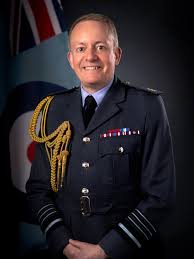
Sir Richard Knighton has recently become a prominent figure in discussions surrounding military leadership and strategy within the UK. As the new Chief of the Air Staff (CAS) of the Royal Air Force, appointed in July 2023, Knighton’s leadership role is crucial for the future of the UK’s defense forces. His extensive background and experience are not only significant for military personnel but also relevant to the broader public, showcasing the evolving landscape of defense and security in the UK.
Background and Career
Sir Richard Knighton, born in 1969 in Uxbridge, England, has had a distinguished career in the RAF since joining as a pilot in 1987. He has commanded various important units including the 83 Expeditionary Air Group and served as Director of the RAF’s Future Air Capability programme. Knighton’s leadership qualities have been evident throughout his career, particularly in his ability to adapt to the changing nature of military operations and technology.
His most recent appointment comes during a time of significant global military reform, where air power must meet new threats and challenges. Sir Knighton’s ability to strategise for future capabilities, alongside a commitment to improving the service’s diversity and inclusivity, positions him as a modern leader in a pivotal role.
Significant Contributions
One of Sir Richard Knighton’s key contributions has been his focus on innovation and integration of technology in military operations. He has advocated for an RAF that embraces digital advancements, ensuring that the force remains agile and technologically advanced. His initiatives include integrating unmanned aerial systems and enhancing capabilities to counter emerging threats, aligning with NATO’s objectives for air and space operations.
Moreover, as a firm advocate for mental health in the armed forces, Knighton has pushed for better support systems for personnel, which is vital for maintaining morale and effectiveness within the ranks.
Conclusion
As Sir Richard Knighton leads the Royal Air Force into the future, his vision and objectives have the potential to significantly shape the UK’s defense strategy. His emphasis on technology and inclusivity indicates a shift towards a more modern military framework that resonates with current global dynamics. For citizens and military personnel alike, Knighton’s leadership will likely influence not only how the RAF operates but also how the UK engages in international defence and security matters in the coming years. Observers will be keen to see how his strategies unfold and what impact they will have on both national and global scales.