Introduction to Flight Radar
Flight radar technology has revolutionised the way we track and monitor aircraft movements across the globe. As aviation continues to expand, the demand for real-time data about flights has become increasingly critical to ensuring both safety and efficiency in airspace management. In an era where air traffic is on the rise, understanding flight radar and its implications can greatly influence how airports and airlines operate.
How Flight Radar Works
Flight radar systems primarily rely on two technologies: radar and Automatic Dependent Surveillance–Broadcast (ADS-B). Radar technology, traditionally used by air traffic control, emits radio waves to detect aircraft. In contrast, ADS-B allows aircraft to broadcast their position information with GPS accuracy. This data is then collected by ground stations, which relay it to air traffic controllers, and can also be accessed by the public via various flight tracking services.
Advancements and Trends
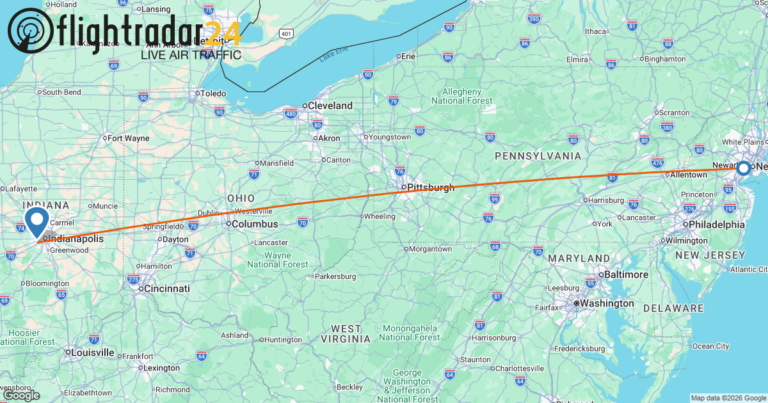
In light of recent technological advancements, flight radar has seen substantial improvements. The integration of satellite imagery and high-resolution data is providing better insights into flight patterns and traffic congestion. For instance, the implementation of 5G technology is set to enhance data transmission speeds and enable more precise tracking. Furthermore, companies like Flightradar24 have popularised access to real-time flight data for enthusiasts and professionals alike, transforming the aviation landscape.
Impact on Safety and Efficiency
The role of flight radar in enhancing safety cannot be overstated. With the ability to monitor and analyse aircraft movements in real-time, air traffic controllers can make informed decisions that prevent collisions and reduce delays. Moreover, airlines utilise flight radar data to optimise flight paths, resulting in significant fuel savings and reduced carbon footprints. As a result, the global aviation industry is becoming more eco-friendly while also improving service reliability.
Conclusion
As the aviation sector continues to evolve, flight radar technology remains a cornerstone of operational excellence. The innovations in this field promise to usher in a new era of air travel that is safer, more efficient, and environmentally conscious. For readers, the implications of flight radar technology extend beyond mere curiosity; it reflects the vital interconnectedness of technology and modern transportation, underscoring the importance of staying informed about such developments in our ever-globalising world.