Introduction
Flight radar technology has become a crucial element in the world of aviation, enabling real-time tracking and management of aircraft across the globe. In an era where safety, efficiency, and transparency are paramount, flight radar systems play a vital role in ensuring that both airlines and passengers have up-to-date information about flights. This advancement in technology not only enhances operational efficiency but also boosts public confidence in air travel.
How Flight Radar Works
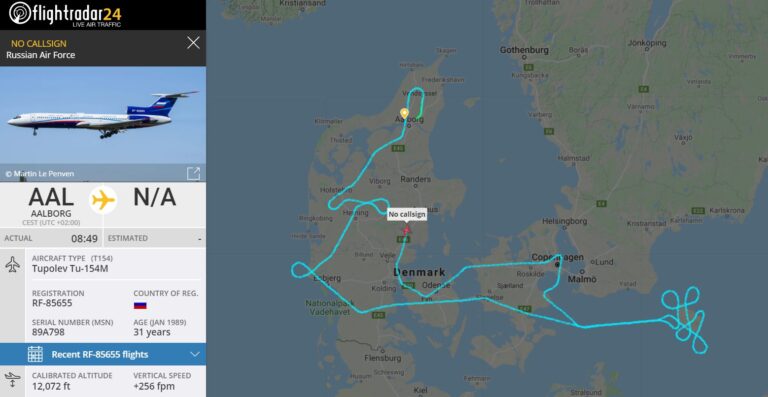
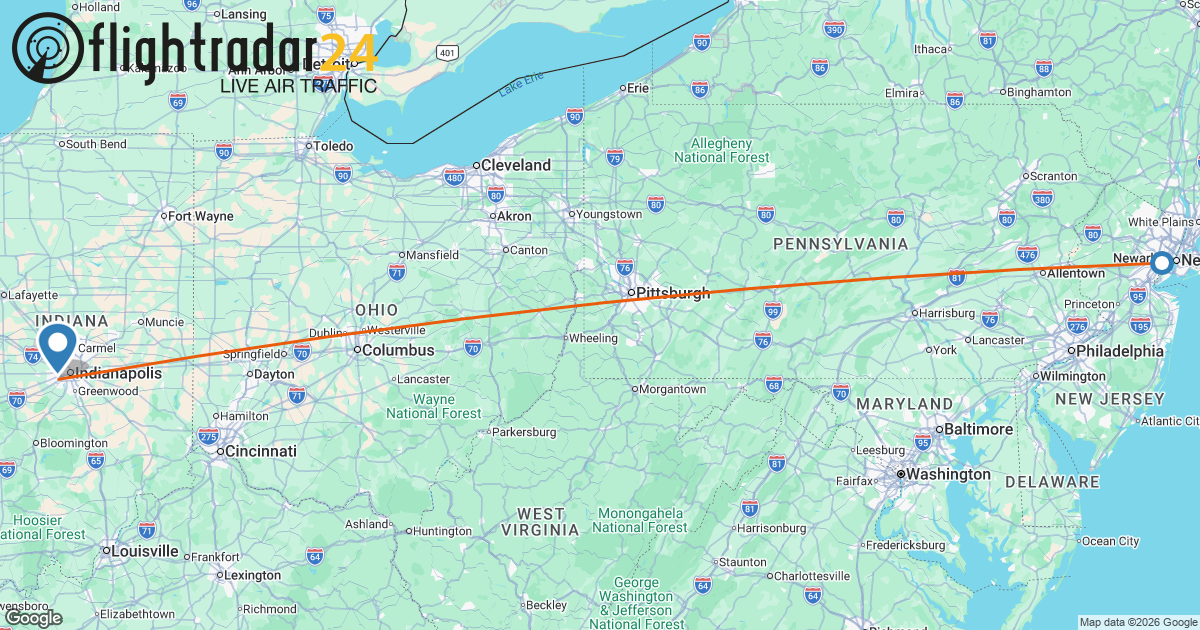
Flight radar systems operate using a combination of ground-based radar systems, satellite communication, and advanced algorithms. These systems gather data regarding aircraft positions, altitudes, speeds, and flight paths. Once collected, this information is processed and displayed in real-time on various platforms, accessible to both aviation professionals and the general public. Services such as Flightradar24 and FlightAware offer user-friendly interfaces that present flight information globally, utilising data from various sources, including ADS-B (Automatic Dependent Surveillance-Broadcast) technology.
Recent Developments in Flight Radar Technology
In recent months, the importance of flight radar technology has been underscored by several key developments. The International Air Transport Association (IATA) reported an uptick in air traffic in 2023, with an increase of 25% in global air travel compared to the previous year. This surge emphasises the need for robust flight tracking systems, especially as airlines aim to improve customer experience amid recovering travel demand post-pandemic.
Moreover, amidst ongoing geopolitical tensions, flight radar technology has gained additional relevance. Concerns over airspace security have led to enhancements in tracking capabilities, ensuring that aviation authorities can monitor flights in sensitive regions effectively.
The Future of Flight Radar
Looking ahead, flight radar technology is poised for further advancements. The integration of artificial intelligence and machine learning into flight tracking systems will result in greater predictive capabilities, allowing for better resource allocation and enhanced safety measures. Additionally, with the potential implementation of drone technology and urban air mobility, the demand for comprehensive radar systems will continue to rise, leading to innovative solutions in air traffic management.
Conclusion
In conclusion, flight radar technology remains a cornerstone of modern aviation, continuously evolving to meet the needs of an ever-changing industry. With increasing air traffic and heightened security concerns, its role cannot be understated. As technology progresses, flight radar will play a pivotal part in shaping the future of air travel, making it safer, more efficient, and more accessible for everyone.