Introduction
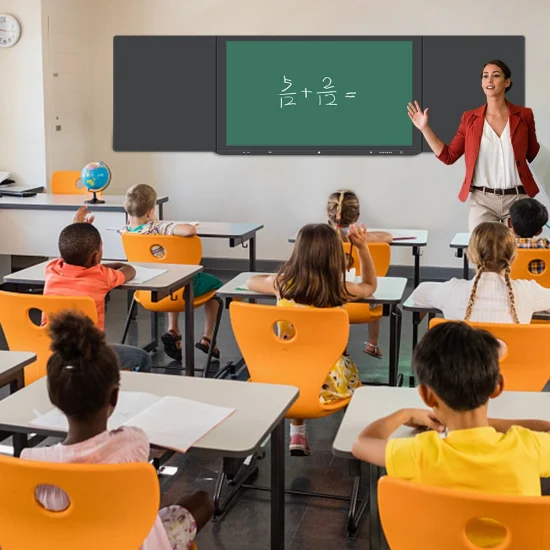
The classroom is a fundamental component of the educational landscape, serving as a place where students acquire knowledge, develop social skills, and prepare for future challenges. As we adapt to rapid changes in technology and teaching methods, the relevance of traditional classroom settings remains a critical topic for educators and policymakers alike.
Current Trends in Classroom Education
Recent data from the National Education Association (NEA) indicates that classrooms are evolving to incorporate a blend of traditional and innovative teaching methods. For instance, in 2022, the percentage of teachers using digital tools in their classrooms jumped to 75%, up from 55% in 2019. This shift not only enhances learning experiences but also prepares students for a technology-driven world.
Furthermore, the COVID-19 pandemic has prompted educators to rethink classroom layouts and structures. Many schools now employ flexible seating arrangements to foster collaboration and engagement. A study from the Harvard Graduate School of Education found that classrooms designed for collaboration produced a 20% increase in student participation rates compared to traditional desk layouts.
Benefits of Effective Classroom Environments
Creating an effective classroom environment goes beyond mere aesthetics and technology. A positive classroom atmosphere can significantly impact student motivation and academic performance. Research published in the Journal of Educational Psychology reveals that a supportive classroom environment contributes to higher student engagement and lower dropout rates.
Additionally, classrooms that promote inclusivity and diversity encourage students to develop empathy and understanding towards their peers. Programs that incorporate social-emotional learning (SEL) into the curriculum are gaining traction; statistics show that schools that implemented SEL saw a 22% improvement in academic performance.
The Future of Classroom Learning
As education continues to evolve, the future of classroom learning is expected to blend face-to-face instruction with online learning platforms, creating hybrid environments tailored to individual learning styles. Experts predict that by 2025, 50% of high school courses will contain some online component, highlighting the need for balanced approaches to education.
Conclusion
The classroom remains an essential environment for development, creativity, and collaboration. Its significance in shaping well-rounded, capable individuals cannot be overstated. As we look towards the future, integrating technological advancements while maintaining the core values of interpersonal communication and collaboration will be key in preparing the next generation for success in a dynamic world.