Introduction
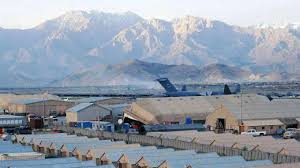
Bagram Air Base, located north of Kabul in Afghanistan, has long been a pivotal facility for military operations in the region. This strategic location has granted the United States and its allies crucial logistical support and operational capabilities since the onset of the War on Terror. Understanding the significance of Bagram Air Base allows us to appreciate its role in shaping military strategies and foreign relations in Central Asia.
A Historical Overview
Bagram has served as a military base since the 1950s, initially being used by the Soviets during their invasion of Afghanistan. Following the withdrawal of Soviet troops in 1989, the base saw varied control until American forces reclaimed it in late 2001 after the September 11 attacks. The U.S. military utilised Bagram as a hub for operations against the Taliban and al-Qaeda, showcasing its strategic importance in achieving military objectives in Afghanistan.
Recent Developments
In August 2021, Bagram Air Base was officially handed over to the Afghan military as part of the U.S. withdrawal from Afghanistan, which marked the end of a two-decade-long military presence. This event was significant as it demonstrated the changing landscape of U.S. military focus and highlighted the challenges faced by Afghan forces in securing the country against a resurgent Taliban. As the Taliban took control shortly thereafter, it raised concerns over Afghanistan’s future and Bagram’s potential re-utilisation for military operations by other global powers.
The Significance for Global Military Strategy
Bagram Air Base’s closure and subsequent affairs bring forward critical considerations regarding U.S. military strategy and geopolitical dynamics. The base’s location allows for quick access to key Asian and Middle Eastern markets, making it a potential asset for future military operations. Furthermore, the continued presence of rival powers in the region, such as Russia and China, increases the need for the United States to reassess its strategic footprint in Central Asia.
Conclusion
As the implications of Bagram Air Base’s closure continue to unfold, its relevance remains undeniable. The base not only played a central role in military operations over the last two decades but also serves as a symbol of the complex geopolitical environment in which the U.S. and its allies operate. Looking forward, the lessons learned from Bagram’s operational history could influence future military strategies and international relations, making it a lingering topic of interest for defence experts and policymakers alike.