Introduction
The rising geopolitical tensions in Eastern Europe have drawn significant attention to the use of drones, particularly Russian drones, and their implications for regional security. Romania, as a key NATO member bordering Ukraine, finds itself at the centre of these developments, making the scrutiny of such unmanned aerial vehicles essential for understanding potential threats and defence strategies.
Recent Events and Developments
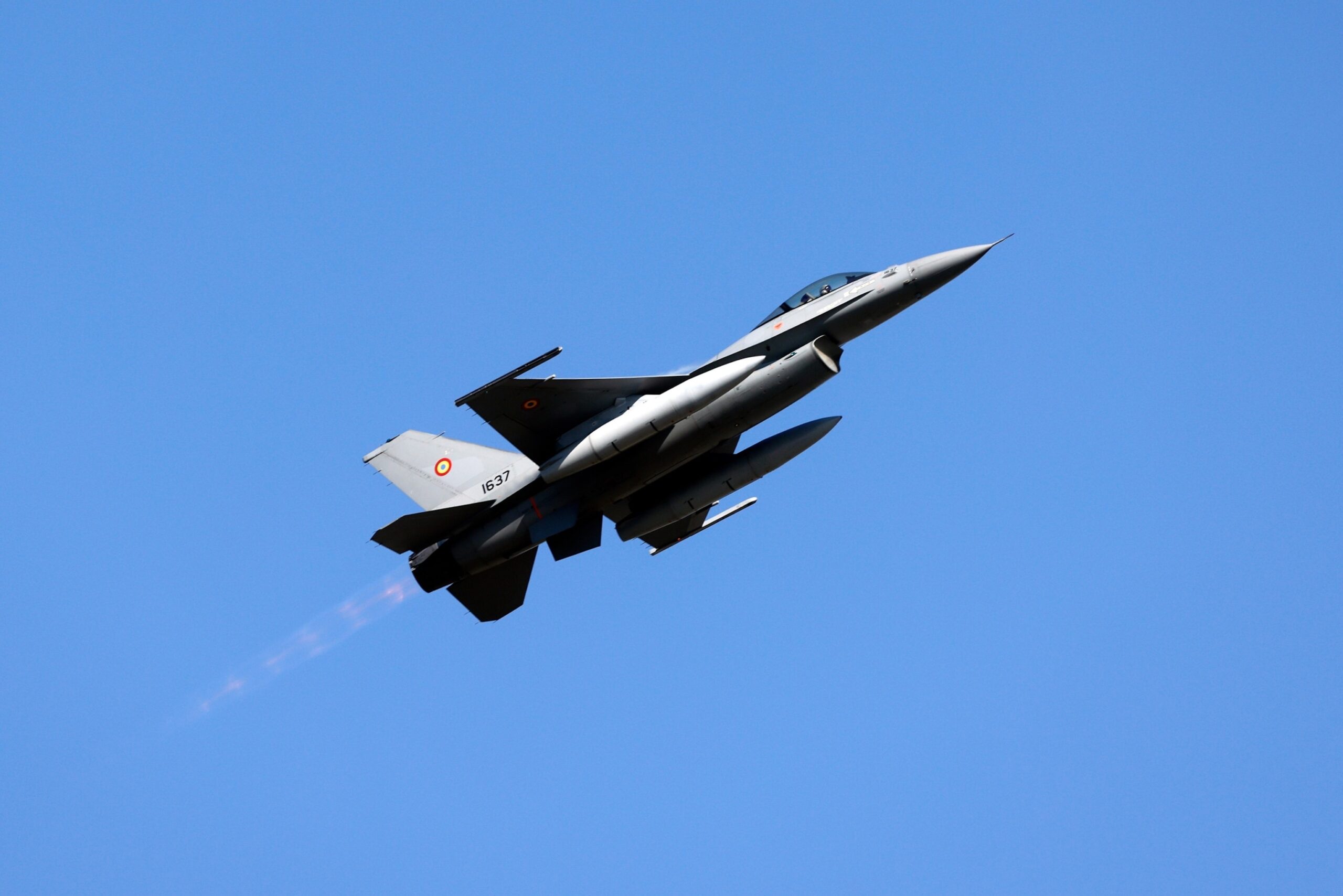
In recent weeks, reports have emerged of increased sightings of Russian drones along Romania’s border, particularly in the wake of escalating military activities in Ukraine. NATO officials have raised alarms over these incidents, particularly as they coincide with heightened military exercises conducted by Russia in the Black Sea. The Romanian Ministry of Defence confirmed that military jets were scrambled to investigate unidentified aerial phenomena in Romanian airspace, which were later identified as drones suspected to be of Russian origin.
Experts suggest that these drone operations are likely tied to Russia’s strategic intent to monitor NATO activities, collect intelligence, and potentially intimidate neighbouring countries. These concerns have led Romania to enhance its air surveillance capabilities and cooperate more closely with NATO allies in counter-drone measures. In addition, Romania is considering upgrading its existing radar and surveillance systems to better detect and respond to drone threats.
The Response from Romania and NATO
In response to these developments, Romanian authorities have stepped up public communication about the importance of airspace security while coordinating with NATO for shared intelligence efforts. Defence Minister Angel Tîlvăr stated, “We must remain vigilant and prepared as the security landscape in our region is continuously evolving. Cooperation with our NATO allies is instrumental in ensuring the safety of our airspace.”
Furthermore, Romania is set to participate in joint military exercises with NATO forces focused on improving readiness against aerial threats, including drone technologies. These exercises aim to enhance interoperability among member nations which is crucial for collective defence initiatives.
Conclusion
The increasing presence of Russian drones in the vicinity of Romania has far-reaching implications for regional security and NATO’s defensive posture. As the situation evolves, continuous monitoring, enhanced air defence strategies, and collaborative efforts among NATO members will be essential in mitigating risks. Romania’s actions reflect the urgent need for proactive measures to safeguard its airspace, underscoring the complexity of the regional security environment. Observers suggest that ongoing tensions will likely lead to further military engagements in the area, making it imperative for Romania and its allies to stay alert and ready.