Introduction
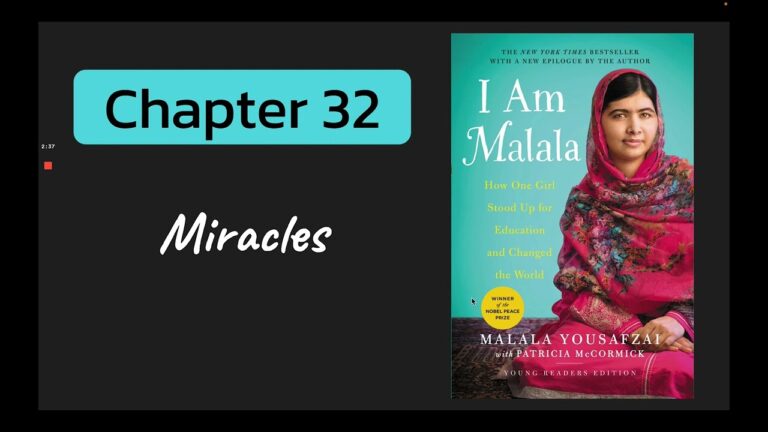
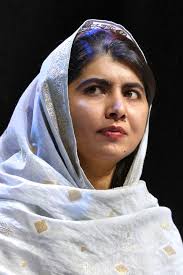
Malala Yousafzai has become a symbol of resilience and the fight for education, particularly for girls facing adversity around the world. Since surviving an assassination attempt in 2012, her advocacy for education and women’s rights has resonated globally, making her a pivotal figure in discussions surrounding access to education.
Background and Achievements
Malala was born on July 12, 1997, in Mingora, Pakistan, and began speaking out for girls’ education at the young age of 11, blogging for the BBC Urdu under a pseudonym about her life under the Taliban’s rule. In 2012, Malala was shot in the head by a Taliban gunman but remarkably survived the attack, prompting worldwide condemnation and support for her cause. In 2014, Malala became the youngest-ever Nobel Prize laureate when she was awarded the Nobel Peace Prize alongside Indian child rights activist Kailash Satyarthi.
Recent Developments
Recently, Malala has continued to work through the Malala Fund, an organisation she co-founded, which advocates for girls’ education and empowers young women. The fund focuses on regions with a high number of girls out of school due to conflict and economic barriers. In 2023, they launched a new campaign aiming to double funding for education in low-income countries, urging governments to prioritise this critical issue in global discussions. This campaign aligns with the United Nations’ Sustainable Development Goals, particularly Goal 4, which aims to ensure inclusive and equitable quality education for all.
Challenges Ahead
Despite her efforts and the growing global awareness surrounding education rights, significant challenges remain. Countries like Afghanistan and parts of Africa still face immense obstacles due to political unrest, poverty, and cultural barriers. Reports have indicated that millions of girls are still out of school, and Malala’s ongoing advocacy aims to highlight these disparities and encourage further action from global leaders.
Conclusion
The significance of Malala Yousafzai’s fight for education cannot be overstated. As she continues to leverage her platform to advocate for girls’ rights, her story serves as a reminder of the importance of education in promoting equality and empowering future generations. Decades from now, her contributions may well be seen as a turning point in the global movement for education access, inspiring young activists across the globe to continue the fight in her footsteps.