Introduction
Malala Yousafzai, a name synonymous with courage and resilience, has become a global symbol of the fight for education, particularly for girls in oppressive regimes. Her journey from a schoolgirl in Pakistan to a Nobel Prize laureate highlights the critical importance of access to education in today’s world. As conflicts and crises continue to hinder education for millions, Malala’s advocacy remains more relevant than ever.
Background and Advocacy
Born in Mingora, Swat Valley, Pakistan, on July 12, 1997, Malala began speaking out for girls’ education at a young age. Her activism intensified during the Taliban’s occupation of her hometown, which imposed harsh restrictions on women and girls. On October 9, 2012, Malala was shot in the head by a Taliban gunman while riding a bus home from school. This brutal attack sparked an international outpouring of support and renewed focus on the importance of education.
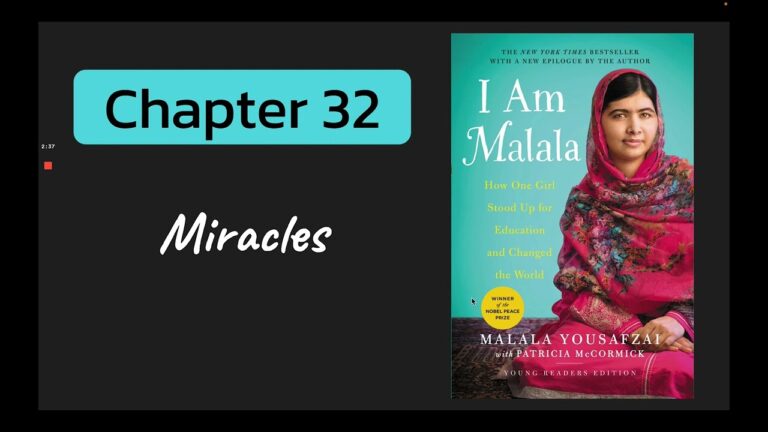
After recovering in the UK, Malala co-authored the memoir “I Am Malala”, which went on to become an international bestseller. In 2014, she was awarded the Nobel Peace Prize, becoming the youngest-ever laureate at the age of 17. The Malala Fund, established with her father Ziauddin Yousafzai, aims to ensure girls worldwide have access to 12 years of free, quality education.
Recent Developments
In recent years, Malala has remained actively engaged in various global initiatives. She frequently speaks at international conferences, urging world leaders to prioritise education, especially in war-torn regions. Notably, in July 2021, she launched a project to address the educational crisis exacerbated by the Covid-19 pandemic, emphasising the unique challenges faced by girls.
Furthermore, in early 2023, Malala addressed the United Nations on the importance of investing in educational policies that guarantee every child’s right to learn. She stressed the need for innovative solutions to reach those excluded from education due to socio-economic barriers or conflict.
Conclusion
Malala Yousafzai’s unwavering commitment to girls’ education serves as an inspiration for millions around the globe. The current statistics are stark: 130 million girls worldwide are out of school, and the pandemic has only deepened these inequalities. With advocates like Malala leading the charge, there is hope for meaningful progress. As society continues to grapple with education access issues, understanding and supporting initiatives championed by figures like Malala is essential for ensuring a brighter future for all children. Her story resonates deeply, demonstrating that one voice can indeed change the world, influencing policymakers and inspiring future generations to fight for educational equality.