Introduction
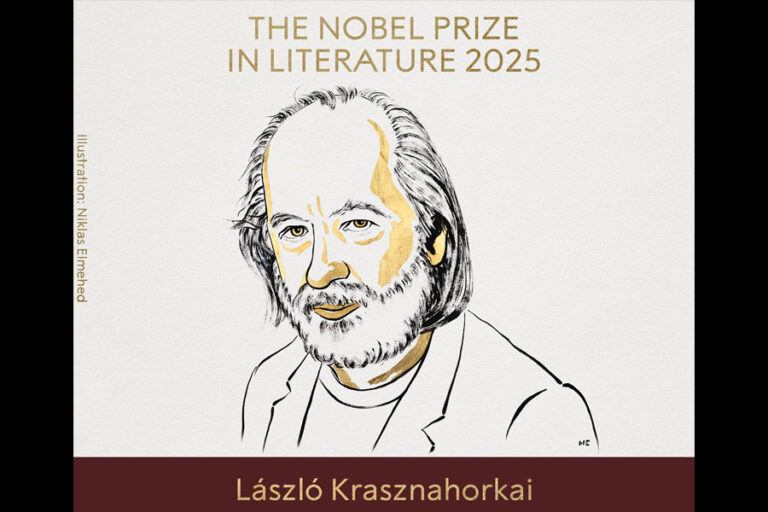
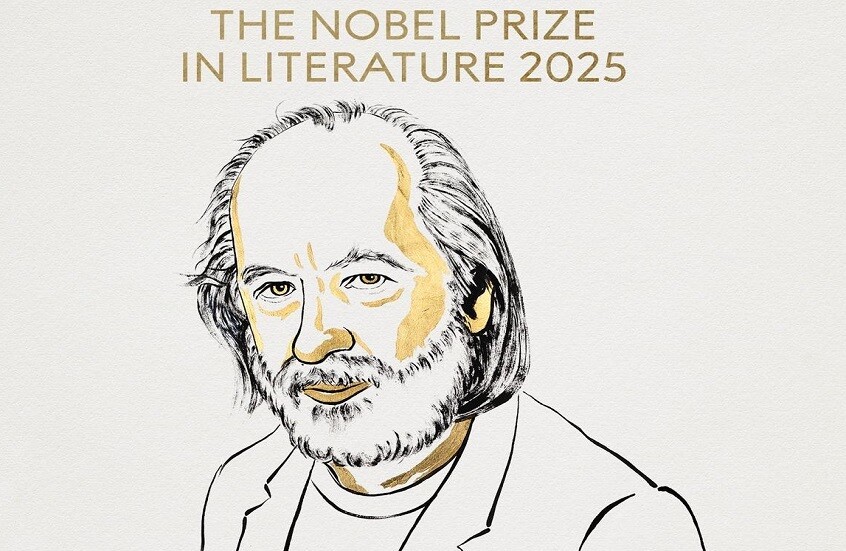
László Krasznahorkai, a prominent figure in contemporary literature, has been a topic of discussion lately as speculation grows regarding his potential nomination for the Nobel Prize in Literature. With his distinctive narrative style and profound themes, the Hungarian author has not only captivated readers but also sparked critical discussions about the nature of literary merit. His candidacy for such a prestigious accolade underscores the importance of recognising voices from diverse backgrounds within the global literary community.
About László Krasznahorkai
Born on January 5, 1954, in Gyula, Hungary, Krasznahorkai has developed a reputation for his intricate, dense prose and philosophical underpinnings. His notable works include ‘Sátántangó’, ‘The Melancholy of Resistance’, and ‘Seiobo There Below’, all of which explore themes of existence, despair, and the human condition. Krasznahorkai’s writing, often influenced by the tumultuous history of his homeland, reflects a unique sensibility that resonates with readers worldwide.
The Nobel Prize Speculation
As discussions of this year’s Nobel Prize in Literature approach, critics and literary aficionados alike have begun to advocate for Krasznahorkai’s recognition. His work has already garnered numerous accolades, including the Best Translated Book Award and the Man Booker International Prize. Just recently, in 2023, his novel ‘The Last Wolf’ was nominated for the International Dublin Literary Award, adding to his growing résumé of critical acclaim. Such recognitions have led many to believe that he deserves to be considered for the prestigious Nobel Prize.
The Significance
The potential award of the Nobel Prize to Krasznahorkai would not only be a personal triumph but also a significant moment for Hungarian literature. It may pave the way for wider recognition of eastern European writers and promote discussions about the universal themes present in their works. This could encourage publishers and readers alike to explore literature from underrepresented backgrounds, enriching the global literary discourse.
Conclusion
As we await the announcement of the 2023 Nobel Prize in Literature, László Krasznahorkai stands as a symbol of literary excellence and the importance of inclusivity in literature. Whether he receives the award or not, his impact on the literary world is undeniable, and his candidacy will continue to inspire future generations of writers and readers. It remains to be seen if the Nobel committee will recognise his contributions this year, but Krasznahorkai’s works will undoubtedly continue to resonate with audiences around the globe.