Introduction
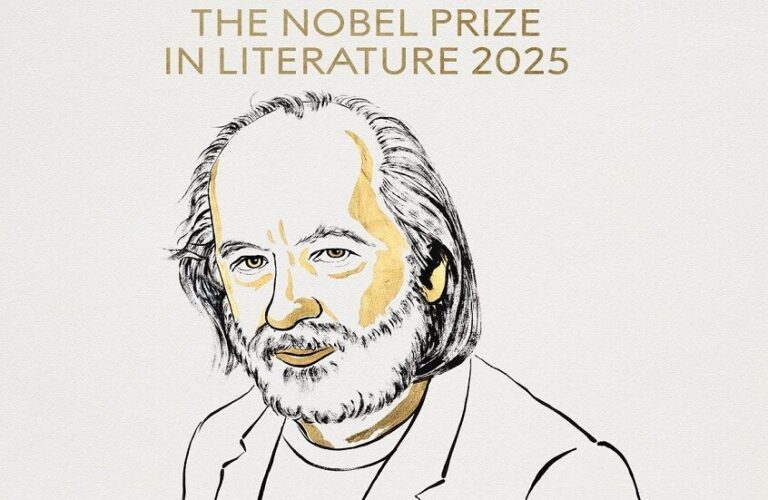
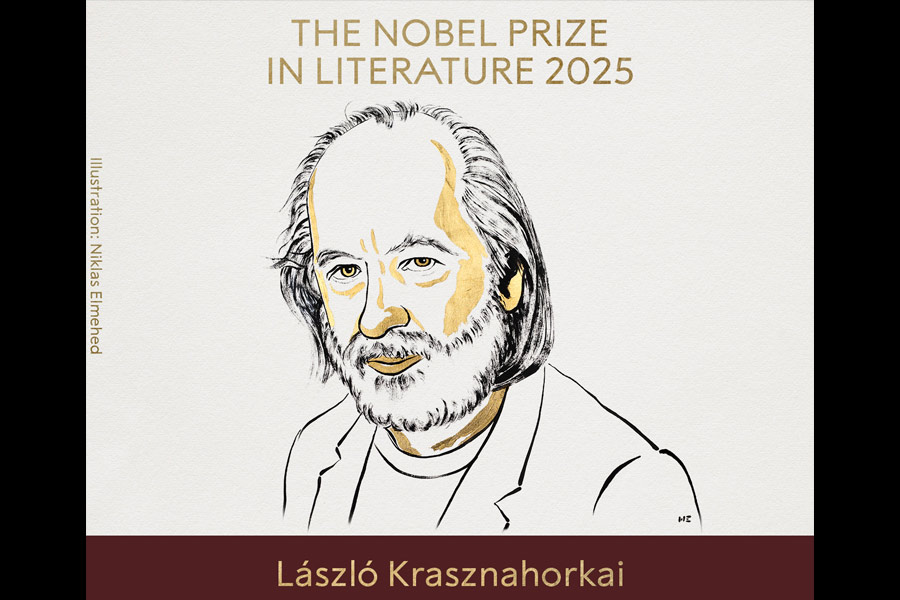
The recent announcement of the Nobel Prize in Literature awarded to Hungarian author László Krasznahorkai marks a significant moment in the literary world. His selection reinforces the importance of literature that challenges conventional narratives and delves into the complexities of the human experience. Krasznahorkai’s unique style and profound insights resonate with readers worldwide, showcasing the innovative spirit of contemporary literature.
About László Krasznahorkai
László Krasznahorkai, born in 1954 in Szeged, Hungary, has gained international acclaim for his intricate writing style and philosophical depth. His work often explores themes of chaos, despair, and the search for meaning in an unpredictable world. Notable works such as “Satantango” and “Seiobo There Below” exemplify his distinctive narrative approach, which intertwines lyrical prose with bold ideas.
Impact and Significance
Krasznahorkai’s literature transcends national borders, appealing to an international audience and establishing him as a pivotal figure in the Postmodern literary landscape. His exploration of existential themes challenges readers to reflect on their own realities, making his works relevant in today’s rapidly changing society. The Nobel recognition not only highlights his individual contributions but also shines a light on Hungarian literature within the global context.
Reactions from the Literary Community
Following the announcement of the Nobel Prize, the literary community has expressed a mixture of joy and surprise. Critics and fellow authors have praised Krasznahorkai for the richness of his narrative and his ability to captivate readers through complex thought processes. The award has ignited discussions about the nature of literature and the importance of diverse voices in storytelling.
Conclusion
The awarding of the Nobel Prize in Literature to László Krasznahorkai not only recognises his unique contributions but also reaffirms the power of literature as a means of understanding the human condition. As readers navigate an increasingly complex world, works like those of Krasznahorkai provide invaluable insights. The future implications of this recognition could encourage a resurgence of interest in global literature and inspire new generations of writers to engage with profound philosophical questions.