Introduction
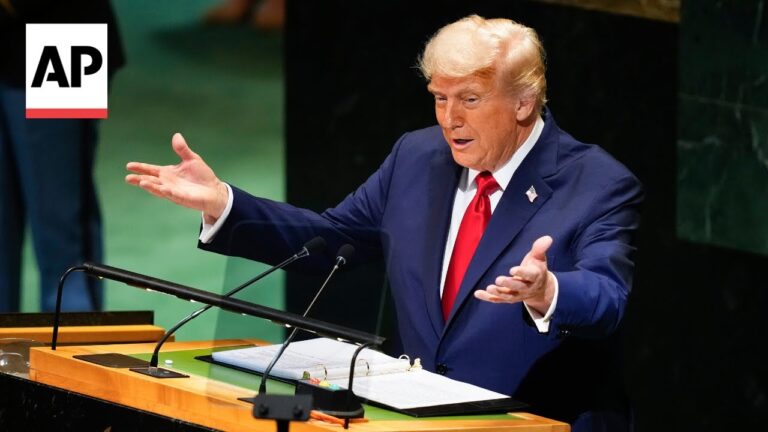
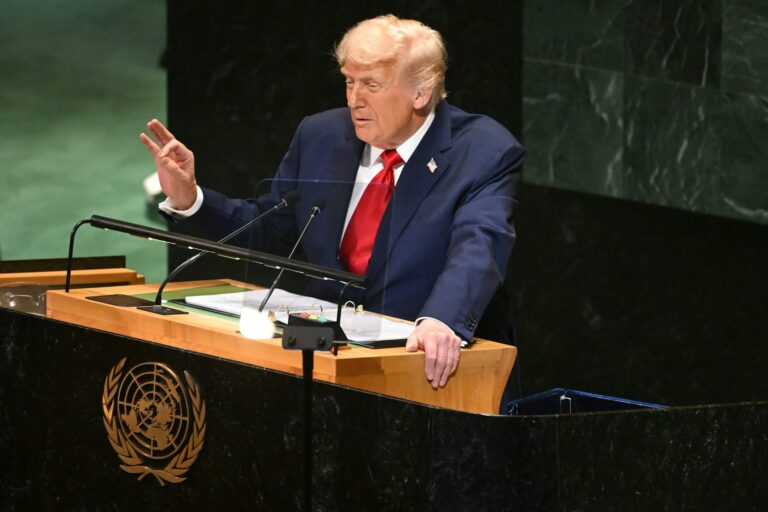
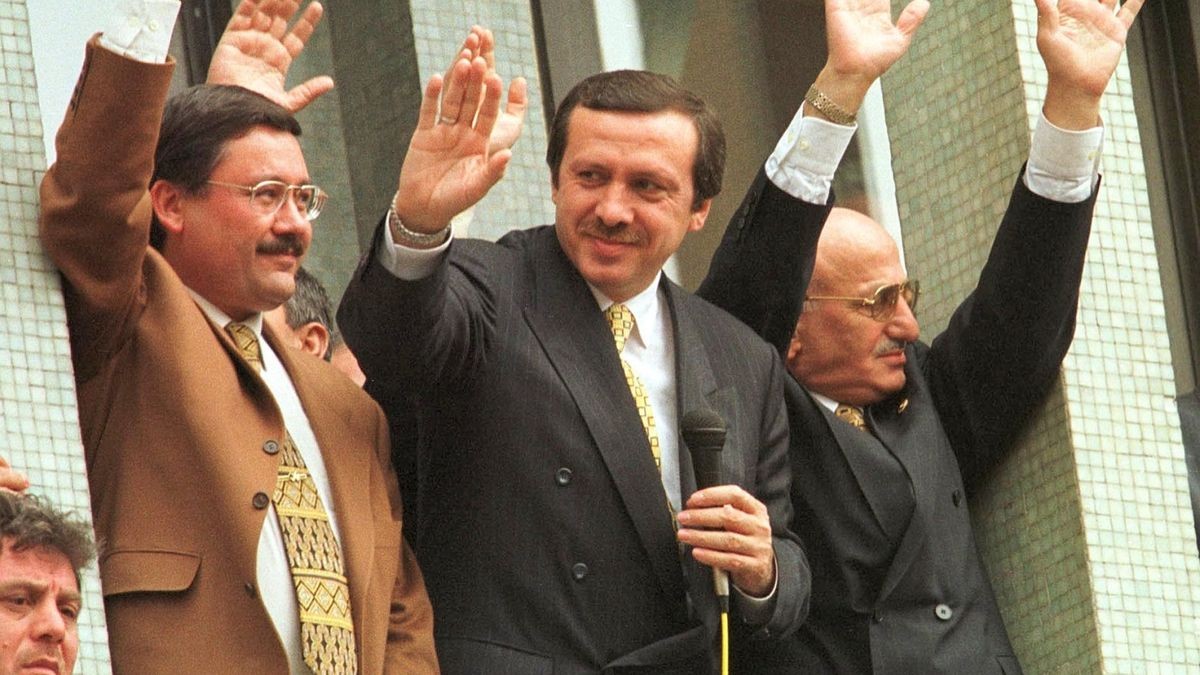
Recep Tayyip Erdogan has been a dominant figure in Turkish politics for over two decades, influencing not only the political landscape in Turkey but also shaping its international relations. As Turkey’s President since 2014, and previously as Prime Minister, Erdogan’s policies and leadership style have sparked both support and criticism, making his actions a focal point of discussions in global politics. Understanding his influence is essential for grasping the complexities of Turkey’s current position in both regional and global contexts.
Recent Political Developments
In recent months, Erdogan has faced significant challenges, including economic turmoil characterized by high inflation rates and currency devaluation. In October 2023, Turkey faced over 75% inflation, driving public discontent and protests against his administration. Despite these hurdles, Erdogan’s government has attempted to project a sense of stability and continuity, leveraging nationalistic sentiments and a strong presidential framework to cement his authority.
Furthermore, Erdogan has been navigating complex international relationships, particularly in the context of the ongoing Russian-Ukrainian conflict. Turkey’s strategic position as a NATO member while maintaining diplomatic and economic ties with Russia has drawn both praise and scrutiny from Western allies. Erdogan recently hosted peace talks, showcasing Turkey’s potential role as a mediator, reflecting on its historical ties and geopolitical significance.
Electoral Strategies and Public Sentiment
As Turkey approaches the next elections in 2024, Erdogan is poised to employ a blend of populist strategies and traditional campaigning to galvanise support. His administration has historically utilised construction projects and social aid programmes to bolster public approval. However, the rising cost of living and dissatisfaction among citizens regarding governance place him in a precarious position.
Polls suggest a potential shift in voter sentiment, with opposition parties gaining ground. The success of these parties will heavily depend on their ability to unify against Erdogan and offer a viable alternative to his long-standing rule. Observers are closely monitoring how Erdogan will respond to these challenges as electoral campaigns heat up.
Conclusion
As Erdogan continues to steer Turkey through turbulent waters, the implications of his governance stretch far beyond the nation’s borders. His ability to maintain power amid economic strife and international pressures will significantly influence Turkey’s future trajectory. The upcoming elections will be critical not only for Turkish citizens but also for stakeholders in the region and beyond who are invested in the outcomes of Erdogan’s policies. Understanding Erdogan’s strategies and the public’s reaction to them will be essential as global dynamics shift and develop in the coming months.