Introduction
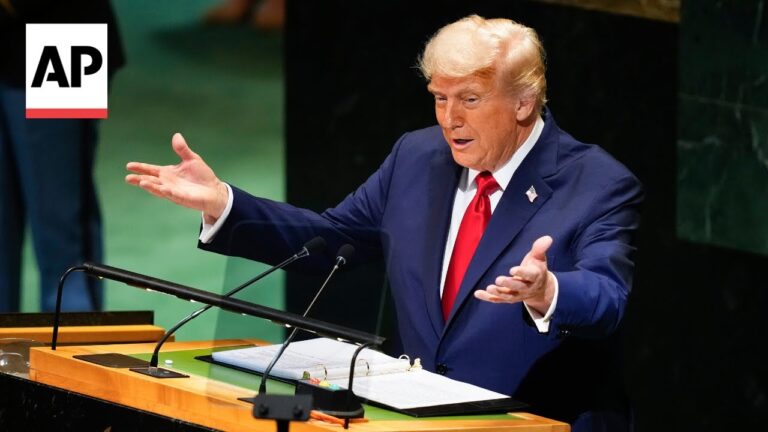
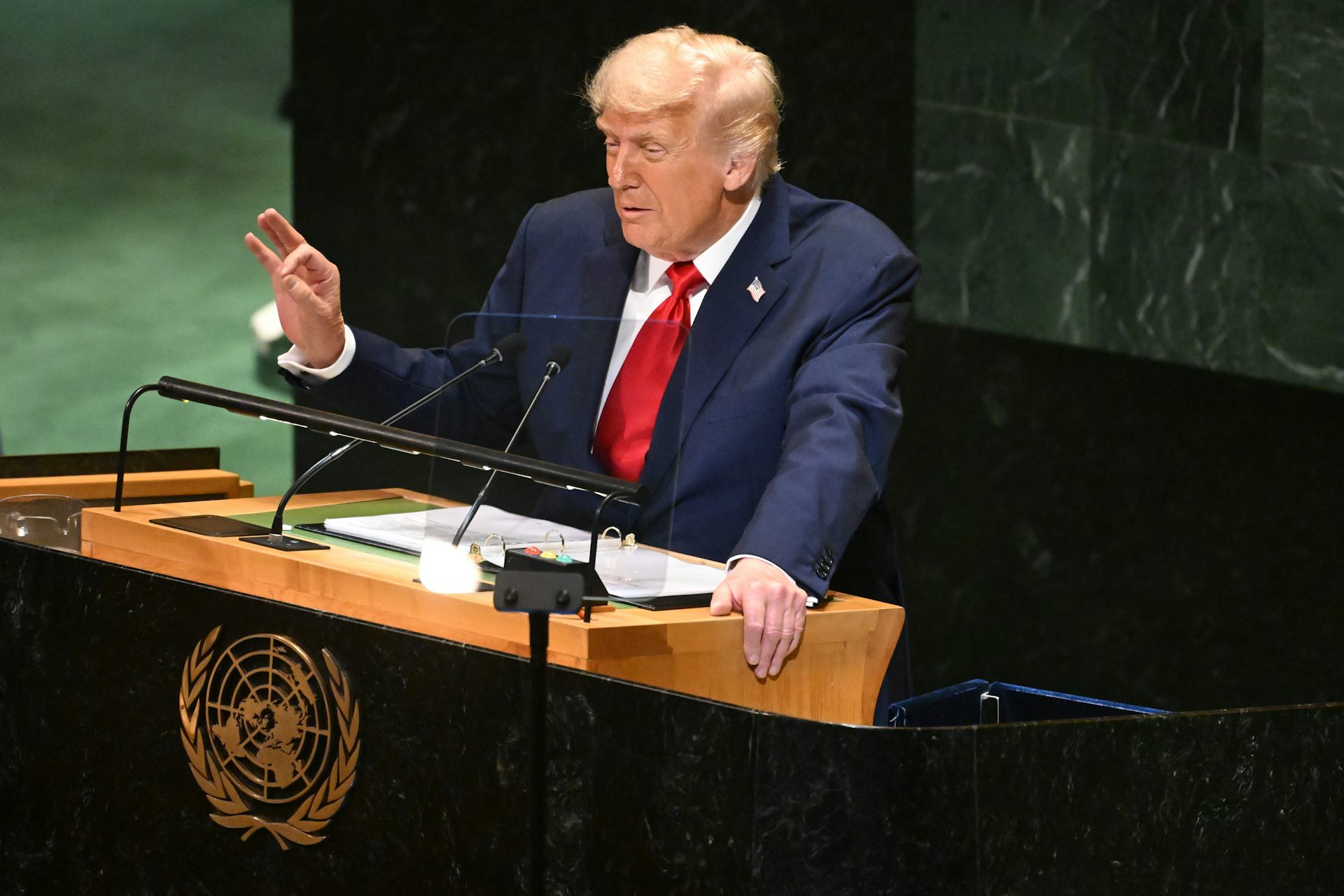
Former U.S. President Donald Trump recently delivered a speech at the United Nations General Assembly, which has sparked both interest and controversy. As the international community grapples with pressing issues such as climate change, global security, and economic instability, Trump’s address reflected both his signature style and some of the ongoing themes familiar from his time in office. Understanding his message is crucial as it indicates the potential direction of U.S. foreign policy and its implications for global relations.
Main Body
During his speech, Trump reiterated his commitment to an ‘America First’ policy, emphasizing the importance of national sovereignty and criticising international organisations for what he perceives as overreach. He highlighted recent initiatives aimed at enhancing the U.S. economy, while simultaneously urging other nations to prioritise their own interests. Notably, he directed strong words towards rival nations, expressing concern over China’s growing influence, which he argues threatens global stability.
Trump also touched on the ongoing conflict in Ukraine, asserting his stance on supporting Ukraine against Russian aggression while calling for greater accountability among allied nations. He remarked, ‘We must unite against tyranny wherever it arises.’ This statement reflects his administration’s approach to foreign policy, which often positioned the U.S. as a bulwark against authoritarian regimes. Furthermore, he addressed the challenges posed by climate change, albeit framing the issue within the context of U.S. technological advancement and energy independence, rather than through international agreements.
Critics have often pointed out that Trump’s approach may foster division rather than cooperation, particularly on issues requiring a unified global response, such as climate action. Reactions to the speech varied widely, with supporters praising his direct style and critics arguing it risks isolating the U.S. on the world stage.
Conclusion
Trump’s UN speech reinforces a familiar tone of his previous addresses, focusing on American exceptionalism and a sceptical view of multilateralism. As we move forward, it will be essential to monitor how these assertions play out in the ongoing geopolitical landscape, especially regarding U.S. relations with its allies and adversaries. With upcoming elections in the horizon, how Trump’s message resonates with both the global community and American voters will undoubtedly shape discussions and strategies moving forward. The implications of his speech will last well beyond the immediate responses as nations assess their positions and alliances in light of Trump’s assertions.