Introduction
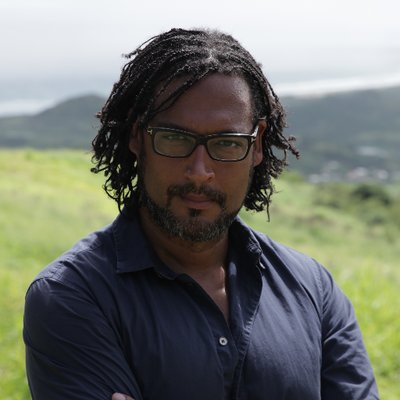
David Olusoga is a prominent British historian, author, and broadcaster whose work has significantly impacted the understanding of British history, particularly in relation to colonialism, race, and identity. His contributions are increasingly relevant in today’s society, as discussions surrounding historical narratives and inclusivity are brought to the forefront. Olusoga’s ability to engage with complex historical themes makes him an important figure in both academic circles and public discourse.
Career Highlights
Born in Nigeria and raised in the United Kingdom, Olusoga has a unique perspective that informs his work. He has authored several acclaimed books, including “Black and British: A Forgotten History,” which delves into the overlooked history of Black people in Britain. This book has been widely praised for its thorough research and engaging narrative style, and it has become a crucial text in discussions about race and identity in Britain.
As a broadcaster, Olusoga has presented various documentaries for the BBC, such as “The World’s War” and the highly acclaimed series “A House Through Time.” His ability to present history in an accessible manner without sacrificing academic rigor has earned him a diverse audience. Furthermore, he has contributed to the BBC’s response to the Black Lives Matter movement, urging the broadcaster to address Britain’s colonial past and its implications on contemporary society.
Recent Developments
In recent news, Olusoga was appointed to lead an independent review for the National Trust aimed at addressing the organization’s links to colonialism and slavery. This review is part of a broader movement among British institutions to reflect on their historical narratives and the implications of their past. His involvement highlights the increasing recognition of the importance of inclusive historical perspectives in British heritage and culture.
Additionally, Olusoga continues to challenge the status quo by advocating for educational reforms that incorporate a broader range of historical viewpoints. This has resonated with many educators and students who seek a more inclusive representation of history in school curricula.
Conclusion
David Olusoga’s influence as a historian and broadcaster is profound and continues to grow as he tackles the intertwined issues of race, identity, and historical narrative. His work encourages critical reflection on Britain’s past and invites ongoing conversations about how history should be taught and understood in the present day. As discussions around race and heritage become increasingly important globally, Olusoga’s contributions remain vital for fostering a more inclusive and accurate portrayal of history.