Introduction
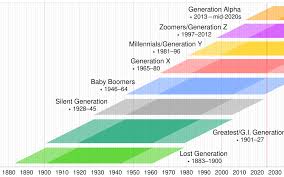
Generation Z, commonly referred to as Gen Z, encompasses individuals born between 1997 and 2012. This cohort is significant not only due to its sheer size—approximately 32% of the global population—but also because of its unique characteristics, experiences, and ways of engaging with the world. Understanding the Gen Z years is essential as this generation is set to redefine societal norms, workplace dynamics, and consumer behaviours.
Defining Characteristics of Gen Z
Gen Z has grown up in an era of rapid technological advancement and social change, making them the first truly digital natives. Influenced by the proliferation of smartphones and social media, they often rely on these platforms for information, communication, and entertainment. Moreover, issues such as climate change, social justice, and mental health awareness resonate deeply with this generation, shaping their values and priorities.
Current Trends Among Gen Z
As of 2023, Gen Z is beginning to enter the workforce, challenging traditional work models with their expectations for flexibility, inclusivity, and a strong sense of purpose from their employers. Surveys indicate that 83% of Gen Z workers seek a workplace that prioritises mental health and well-being. Additionally, their consumption patterns pivot towards brands that align with their values, demonstrating a preference for sustainability and ethical practices.
Challenges Faced by Gen Z
This generation also faces notable challenges. The COVID-19 pandemic, for instance, has had a considerable impact on their mental health, education, and employment opportunities. Reports show that Gen Z is experiencing higher levels of anxiety and depression than previous generations, underscoring the need for enhanced mental health support systems. Furthermore, the rising costs of living and economic instability pose obstacles for young individuals entering adulthood.
Conclusion
In conclusion, the years defining Gen Z are pivotal for understanding the current cultural landscape and future trends. With their strong affinity for technology and commitment to social causes, this generation will likely drive significant shifts in consumer behaviour and workplace expectations. As they continue to mature and take on more influential roles, their preferences and perspectives will shape society’s evolution. Understanding Gen Z years is critical for businesses, educators, and policymakers as they adapt to meet the needs and values of this transformative generation.