Introduction
The role of the housemaid has seen significant transformations over the decades, reflecting broader societal changes. Historically associated with domestic servitude, housemaids today may embody various roles in household management, and their representation in media has sparked conversations about class, gender, and race. As we increasingly discuss the dynamics of work and society, understanding the relevance of the housemaid’s role is essential.
Historical Context
The concept of the housemaid dates back centuries, traditionally seen as a position filled by women of lower socioeconomic backgrounds. In the Elizabethan era, for example, housemaids played crucial roles in managing household duties for the upper classes. However, with the Industrial Revolution, many women from rural areas moved to urban settings, significantly altering the demographic make-up of those in domestic work.
Modern-Day Implications
In contemporary society, the image of the housemaid has evolved dramatically. Today, it encompasses not only traditional roles but also includes modern interpretations such as nannies, housekeepers, and personal assistants. According to a recent report by the Office for National Statistics, the demand for domestic workers has surged in the UK, particularly following the COVID-19 pandemic, as families seek assistance in balancing work and home life.
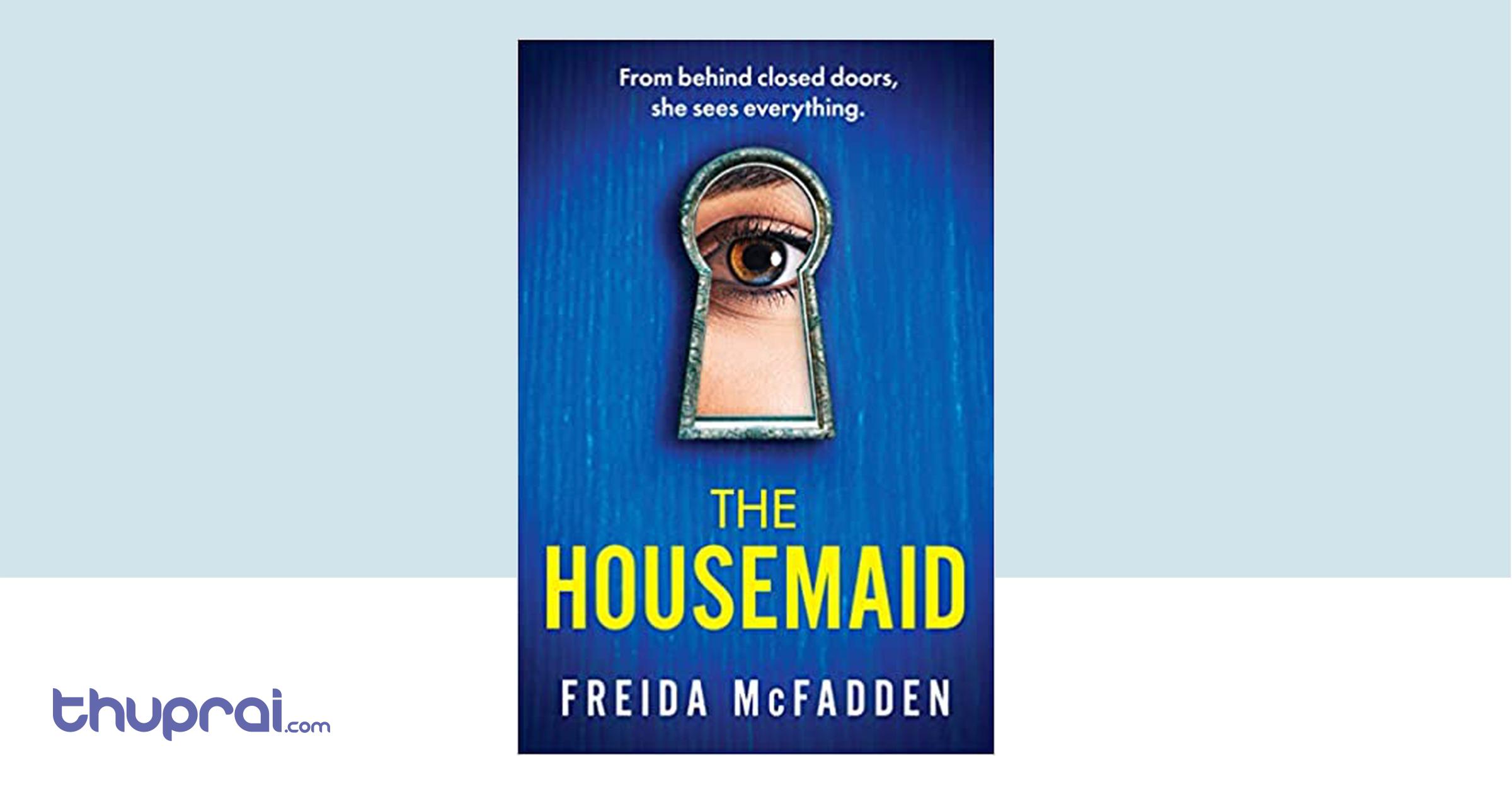
Furthermore, popular media, including films and television series, have brought renewed attention to the lives of housemaids. Recent shows have depicted the complexities and emotional burdens faced by housemaids, highlighting issues of mental health, economic dependence, and the social stigma associated with domestic work. For instance, the Netflix series “The Housemaid” has stirred discussion regarding the intersection of class and gender.
Challenges Faced by Housemaids
Despite the changing landscape, housemaids often encounter numerous challenges. Many face job insecurity, low wages, and lack of legal protections. According to a survey conducted by the International Domestic Workers Federation, nearly 60% of domestic workers worldwide lack access to basic worker rights, such as fair compensation and safe working conditions.
Conclusion
The role of the housemaid is emblematic of broader societal issues concerning labour, equality, and representation. As we move forward, it is crucial to address the challenges faced by housemaids and promote their rights while recognising the evolving nature of domestic work in our modern world. The ongoing dialogue around this topic not only impacts those in domestic roles but also reflects our collective values regarding work and dignity.