Introduction
The Battle of Culloden, fought on 16 April 1746, was the last major battle fought on British soil, marking a decisive moment in the Jacobite rising of 1745. It holds a profound significance in Scottish history, symbolising the end of the Jacobite pursuit to restore the Stewart monarchy. Understanding the events that transpired at Culloden is crucial for grasping the sociopolitical landscape of Scotland in the 18th century and its lasting implications.
The Background to the Battle
The roots of the conflict can be traced back to the desire of Charles Edward Stewart, known as Bonnie Prince Charlie, to reclaim the Scottish throne for his father, James Francis Edward Stewart. After initial successes in 1745, the Jacobite forces faced a combined army of British government troops led by the Duke of Cumberland. The modernisation of military tactics and the British army’s superior numbers ultimately led to a pivotal stand-off at Culloden Moor.
The Battle Unfolds
On that fateful day, the weather was bleak, which compounded the difficulties for the Jacobite forces, who were already facing an uphill battle. The government troops, well-trained and better equipped, managed to earn a decisive victory within just one hour. Estimates suggest that as many as 1,500 Jacobites were killed, while British casualties were around 300. The aftermath of this brutal engagement saw the comprehensive disbandment of the Jacobite army and a harsh crackdown on Scottish Highland culture.
The Aftermath and Significance
In the wake of the defeat, the repercussions for the Highlands were severe. The British government imposed several measures aimed at dismantling the clan system, banning tartans, and discouraging the use of Gaelic. This effectively transformed the social fabric of Scottish society, leading to lasting repercussions that can still be felt today.
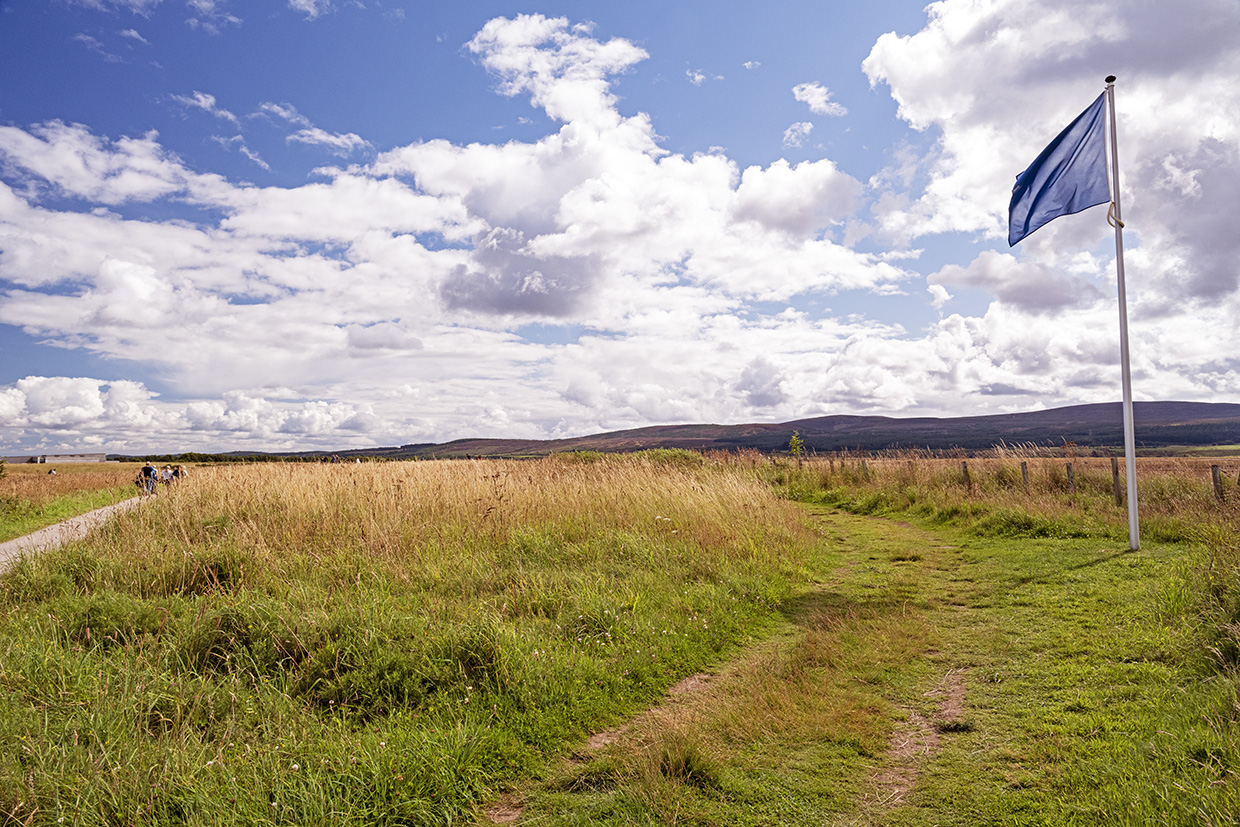
Culloden serves as more than just a historical fact; it achieved a mythic status in Scottish lore, symbolising resilience and national identity. Today, the site of the battle has been preserved and is a popular destination for those interested in history, with the Culloden Battlefield Visitor Centre providing insights into the events and the socio-political context surrounding them.
Conclusion
In conclusion, the Battle of Culloden was not only a pivotal military encounter but also a transformative event that reshaped Scotland’s trajectory. As the site draws attention from historians and tourists alike, its significance as a symbol of struggle and identity remains strong. For readers, understanding Culloden enhances appreciation for a key turning point in Scottish history and its enduring legacy in contemporary discussions about national identity and history.