Introduction
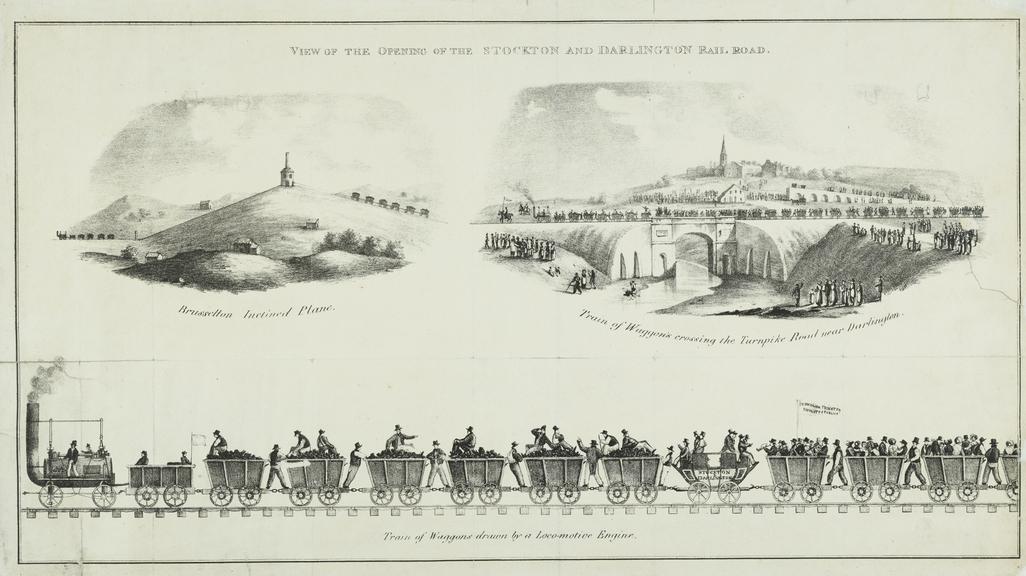
The Stockton and Darlington Railway is widely recognised as one of the most important engineering achievements in history. Opened on September 27, 1825, it was the world’s first public railway to use steam locomotives, marking a significant turn in the development of railway transport. This engineering marvel not only transformed local industry and agriculture in the North East of England, but it also laid the groundwork for the global expansion of railways as a major transport system.
Historical Significance
The railway was initially designed to transport coal from mines near Shildon, County Durham, to the port of Stockton-on-Tees. Before the advent of steam locomotives, goods were transported via horse-drawn wagons on wooden railways known as wagonways. The introduction of George Stephenson’s locomotive, named Locomotion No. 1, showcased the potential of steam power. The railway reduced transportation costs and increased efficiency dramatically, making coal more accessible to industries and homes alike.
Key Events and Developments
The inaugural journey on the Stockton and Darlington Railway transported a mixture of passengers and freight over the 26-mile route. Initially, the railway faced scepticism from local communities and businesses, with some questioning the viability of steam power. However, the successful operation of the line significantly boosted public confidence. In subsequent years, the line expanded, connecting various towns and fostering economic growth throughout the region.
Today, the legacy of the Stockton and Darlington Railway continues to be celebrated. In 2025, the railway will commemorate its bi-centenary with various events and initiatives designed to educate the public about its historical significance. Additionally, a number of heritage railways operate along sections of the original route, offering visitors a chance to experience the history of rail transport first-hand.
Conclusion
The Stockton and Darlington Railway represents not only an engineering milestone but also a pivotal moment in economic and social history. Its successful operation transformed industries and set a blueprint for future railways around the world. As we approach its 200th anniversary, it serves as a reminder of the innovative spirit of the early 19th century and its lasting impact on transportation. For students, historians, and railway enthusiasts alike, understanding the importance of this railway is essential in appreciating the development of modern transport systems.