Introduction
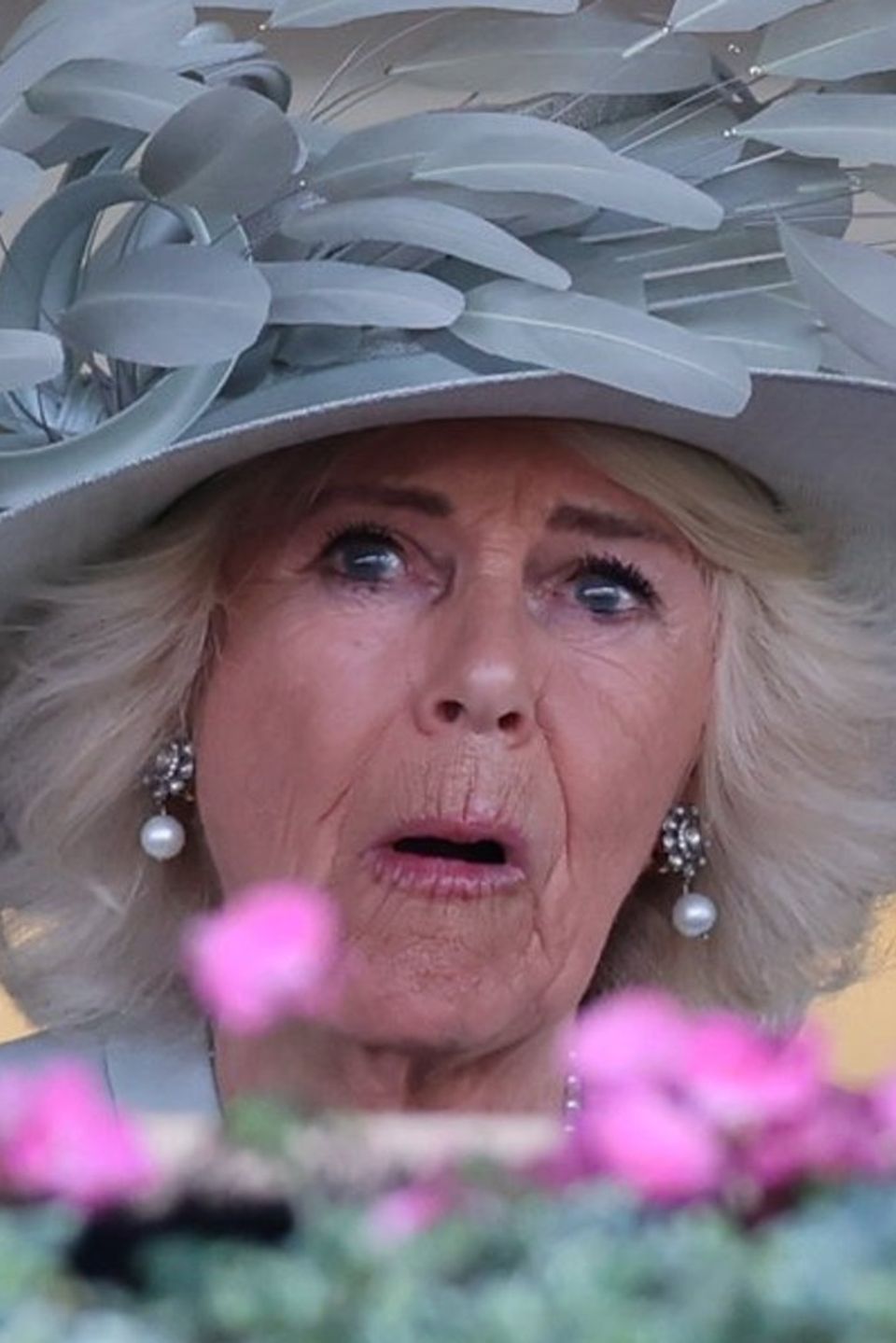
Queen Camilla, consort to King Charles III, has increasingly become a pivotal figure in the British monarchy since her husband ascended the throne in September 2022. Her role is not merely ceremonial; she has taken on significant duties that highlight her contributions to charity work and her commitment to various social issues. Understanding Camilla’s influence is essential in recognising the modernisation of the monarchy and its relevance today.
Queen Camilla’s Charity Work
Queen Camilla has long been involved with numerous charitable organisations, focusing particularly on issues such as literacy, gender equality, and domestic violence. She is the patron of over 90 charities, including The National Literacy Trust and the women’s charity, SafeLives. Since becoming queen consort, her efforts have been focused on amplifying these causes. For instance, she launched the “The Reading Room” initiative to promote reading among children, indicating her belief in education as a fundamental pillar for empowering future generations.
Public Engagements and Appearances
In her new role, Queen Camilla has adapted to public engagements with ease, appearing alongside King Charles at various events. Her presence is often highlighted by her approachable nature, which resonates with the public. From participating in royal tours to attending community events, she aims to bridge the gap between the monarchy and the general public. Noteworthy was her recent visit to a community centre in Wales, where she interacted with families and encouraged them to engage in reading, showcasing her commitment to her literacy campaign.
The Impact of Queen Camilla’s Role
As the first queen consort of a king who married after the age of 50, Queen Camilla’s position breaks previous royal conventions. This has sparked discussions about the evolving perception of the monarchy in Britain, especially regarding acceptance and modernity. Despite initial criticisms, her position has gained acceptance over time, and her understated yet impactful influence is evident as she continues to gain public support.
Conclusion
Queen Camilla’s role within the British monarchy signifies a shift towards a more approachable and engaging royal family. As she champions important societal issues through her charitable work and personal engagements, she is not just supporting her husband but also leaving a legacy that aligns the monarchy with contemporary British society. As forecasts suggest a growing acceptance of her influence, her continued involvement will be significant in shaping public perceptions of the royal family in the years to come.