Introduction
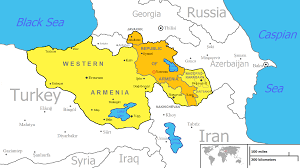
Armenia, a landlocked country nestled in the South Caucasus region, has been gaining attention on the global stage due to its unique geopolitical position. This historic nation, known for its rich cultural heritage and significant contributions to the arts and sciences, is increasingly relevant in discussions surrounding security, diplomacy, and regional stability, particularly in the wake of recent conflicts and alliances.
Recent Developments
Following the 2020 Nagorno-Karabakh conflict, Armenia’s geopolitical landscape has shifted dramatically. The conflict, primarily between Armenia and Azerbaijan, not only rekindled old animosities but also drew in regional powers such as Turkey and Russia. Recently, Armenia has taken steps to strengthen its diplomatic relations with Western nations, including the European Union and the United States, hoping to diversify its partnerships and reduce reliance on Russia, its historical ally.
On September 1, 2023, Armenia signed an agreement with the European Union to enhance cooperation in various sectors, including trade, security, and environmental sustainability. This move is seen as an attempt to bolster its international standing and attract foreign investment. Additionally, Armenia has been hosting joint military exercises with NATO member states, further signalling a pivot towards the West.
Humanitarian Issues and Regional Stability
The geopolitical tensions have also led to significant humanitarian concerns. Thousands of refugees from Nagorno-Karabakh remain displaced, necessitating international support and intervention. The Armenian government, alongside various NGOs, is working to address the dire needs of these individuals; however, the ongoing instability complicates efforts. Advocacy for the rights and safety of ethnic Armenians in the region has become a critical concern, drawing attention from international human rights organisations.
Conclusion
The evolving geopolitical situation in Armenia holds critical implications not only for regional dynamics but also for global politics. As Armenia seeks to assert its sovereignty while navigating a complex landscape of alliances and regional conflicts, its efforts could reshape the diplomatic approach of South Caucasian nations. For readers, staying informed about Armenia’s developments is vital, as they reflect broader trends in international relations and may directly affect global stability. Looking ahead, Armenia’s journey will continue to be closely monitored by policymakers and analysts alike, as its strategic choices can potentially alter the status quo in a tension-laden region.