Introduction
Bangladesh, a country located in South Asia, has recently emerged as a significant player on the global stage. With its unique cultural heritage, burgeoning economy, and commendable strides in social progress, Bangladesh’s story is one of resilience and transformation. As the nation approaches its 52nd year of independence, the global community is taking a closer look at the remarkable developments unfolding within its borders.
Economic Development
Over the past decade, Bangladesh has experienced impressive economic growth, with a GDP growth rate averaging around 6% annually. The garment industry, which constitutes more than 80% of the country’s exports, has played a pivotal role in this growth, creating millions of jobs and lifting many families out of poverty. In recent years, the government has also focused on diversifying its economy by investing in technology and renewable energy. The introduction of the ‘Digital Bangladesh’ initiative aims to modernise the nation’s infrastructure and enhance access to information technology, fostering an environment conducive to innovation.
Social Progress and Challenges
Alongside its economic advancements, Bangladesh has made significant gains in social indicators, including education and health. The literacy rate has seen a notable increase, and maternal and child mortality rates have declined due to improved healthcare services. However, challenges remain. Climate change poses a critical threat, with rising sea levels and severe weather events jeopardising millions of lives. The government is actively engaging in international dialogues and implementing strategies to combat these environmental threats through sustainable development practices.
Culture and Heritage
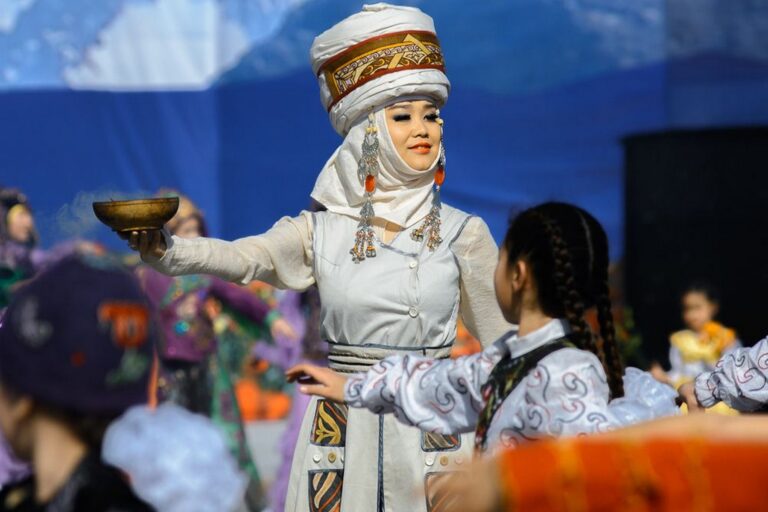
Bangladesh is also celebrated for its rich cultural tapestry, which blends various influences from history, religion, and traditions. Festivals such as Pohela Boishakh, the Bengali New Year, and Durga Puja illustrate the vibrant cultural landscape. Additionally, Bangladesh is home to the UNESCO World Heritage site, the Sundarbans, the largest mangrove forest in the world, which supports a diverse ecosystem and is crucial for conservation efforts.
Conclusion
As Bangladesh continues to strive towards achieving its Sustainable Development Goals (SDGs), the importance of international collaboration cannot be overstated. The nation’s growth trajectory exhibits a powerful narrative of overcoming adversity and embracing opportunities. For the global community, especially investors and development partners, Bangladesh remains a country full of potential, promising deeper engagement and meaningful partnerships in the years to come. The future of Bangladesh is one of resilience, culture, and growth, making it a focal point for those looking to understand the dynamics of emerging markets.