Introduction
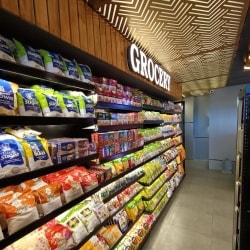
In recent years, grocery stores have become a cornerstone of daily life in the UK, serving as essential hubs for food and household items. The rise of grocery stores reflects changing consumer habits, economic shifts, and technological advancements. Understanding the current landscape of grocery retail is crucial for both consumers and businesses as it highlights broader trends in shopping behaviours and economic resilience.
Current Trends in Grocery Shopping
As the nation navigates post-pandemic recovery, grocery stores are witnessing a notable shift in shopping patterns. According to a report by the British Retail Consortium, online grocery sales have surged by 70% since 2019, with a fourth of all grocery purchases now made online. Major chains such as Tesco and Sainsbury’s have responded by enhancing their digital platforms, ensuring a seamless shopping experience for customers.
Furthermore, sustainability is becoming increasingly important for UK shoppers. A recent survey by YouGov revealed that 60% of consumers consider eco-friendly products when shopping. In response, grocery stores are prioritising locally sourced items and sustainable packaging, leading to a significant uptick in demand for organic and environmentally conscious products.
Technological Innovations
With technology playing a pivotal role in grocery retail, many stores are adopting innovative solutions to improve efficiency and customer experience. Contactless payment options, mobile applications for shopping lists, and smart carts are becoming commonplace. Notably, some stores are experimenting with automated checkout systems, reducing wait times and minimising human contact.
Additionally, the integration of artificial intelligence (AI) and data analytics enables grocery retailers to forecast consumer behaviour better, thus optimising inventory management and reducing food waste. This intelligence allows stores to respond swiftly to market trends and consumer preferences.
Challenges Facing Grocery Stores
Despite the positives, grocery stores are also facing challenges, particularly with supply chain disruptions and rising operational costs. The ongoing effects of Brexit and the COVID-19 pandemic have impacted product availability, leading to empty shelves and increased prices. A report from the Institute of Grocery Distribution warns that shoppers should expect ongoing price inflation in the coming months as stores adapt to the new logistics landscape.
Conclusion
As the grocery store landscape continues to evolve, both challenges and opportunities arise. The emphasis on online shopping, sustainability, and innovation are reshaping how consumers interact with retail environments. For shoppers, these changes promise increased convenience and a more meaningful shopping experience. Meanwhile, grocery store chains must stay agile, adapting to consumer demands and economic pressures to thrive in the competitive retail market. The future of grocery stores in the UK looks bright, but it will require ongoing adaptation and evolution to meet the needs of today’s informed and conscientious consumers.