Introduction
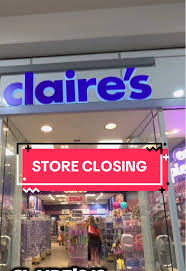
The recent announcement about Claire’s, the popular accessories retailer, planning to close several of its stores has sent ripples through the retail sector. Known for its fashionable earrings and other accessories targeted predominantly at children and young adults, the brand’s decision to downsize is indicative of larger trends affecting the retail landscape. With shifting consumer habits and increasing online competition, understanding the implications of these store closures is crucial for both shoppers and stakeholders.
Details of Store Closures
In the latest reports, Claire’s has revealed plans to shut down approximately 150 stores across the United States and the UK, a significant reduction given that the company operates around 2,500 locations globally. The closures are projected to take place over the next year, primarily targeting locations that have underperformed in sales. This move aligns with the broader strategic efforts of the company to restructure its operations and focus more on online sales, which have seen a surge over the past few years during the pandemic.
Claire’s has been facing financial challenges, including rising operational costs and increased debt levels. The company filed for Chapter 11 bankruptcy protection in 2018, and though it emerged from that phase, lingering financial strains have persisted. As consumers continue to favour online shopping platforms, traditional retailers like Claire’s are now under intense pressure to adapt or face larger repercussions.
Market Impact and Consumer Response
The store closures are not only a loss for shoppers who enjoy the in-person shopping experience but also raise questions about the sustainability of brands that heavily rely on physical retail space. Other retailers in the accessories and fashion space are watching closely, as Claire’s has historically been a bellwether for youth fashion trends.
Consumer reactions have been mixed; while many young adults express nostalgia for the Claire’s shopping experience that formed part of their childhood, others have shifted to shopping online for convenience. The brand’s efforts to bolster its e-commerce capabilities could be crucial for its survival in an increasingly digital marketplace.
Conclusion
As Claire’s moves forward with its strategy to close stores and invest more into online business, the retail community is keenly observing how this will play out. Traditionally strong but now vulnerable to changing consumer patterns, the brand’s future will depend on its ability to pivot and attract a new generation of shoppers online. Retail analysts speculate that if Claire’s can successfully adapt to these evolving dynamics, it may be able to stabilise its position in a challenging marketplace. The road ahead for Claire’s is uncertain, but its story serves as a reminder of the ever-changing nature of retail.