Introduction
American Horror Story, created by Ryan Murphy and Brad Falchuk, has become a landmark in the realm of television, capturing audiences with its unique blend of horror and drama. Since its debut in 2011, the anthology series has not only attracted a loyal fanbase but has also sparked discussions about the genres of horror and storytelling in mainstream media. With its innovative approach to narrative and character development, American Horror Story remains relevant in contemporary culture, reflecting societal fears and taboos through its gripping tales.
Key Themes and Milestones
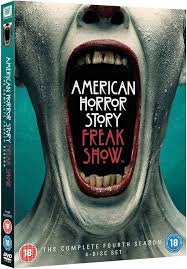
The series is known for its distinct seasons, each with its own storyline, characters, and themes. The first season, titled ‘Murder House,’ sets the stage with its dark exploration of guilt and family trauma. Subsequent seasons have delved into various horror motifs, from witches and haunted hotels to freak shows and cults. The fourth season, ‘Freak Show,’ was particularly notable for shedding light on the lives and struggles of marginalized communities, provoking deeper conversations about acceptance and prejudice.
As American Horror Story continues to evolve, the series has tackled timely issues such as mental health, racism, and the complexities of modern relationships. The most recent season, ‘NYC,’ highlighted the LGBTQ+ experience during the 1980s, intertwining historical context with fiction to create a poignant narrative that resonates with many today.
Audience Reception and Cultural Impact
The reception of American Horror Story has been both critical and commercial, garnering numerous accolades, including Emmy Awards and Golden Globes. Its innovative storytelling and compelling performances have led to a dedicated fanbase eager to discuss theories and predictions. Social media platforms have facilitated this engagement, allowing fans to connect over episodes and share interpretations that contribute to the series’ expansive mythology.
Moreover, American Horror Story’s impact extends beyond entertainment; it has influenced other creators and spawned various parodies, merchandise, and even immersive experiences. The series has pushed boundaries within the horror genre, encouraging a new generation of writers and filmmakers to explore unconventional narratives that challenge audience perceptions.
Conclusion
As American Horror Story prepares for its upcoming seasons, its relevance within the cultural landscape remains strong. Upcoming plots promise to dive into pressing themes and societal fears that resonate deeply with audiences. With an ever-evolving narrative style and commitment to addressing significant issues, American Horror Story is poised to not only continue captivating viewers but also to remain a significant part of the conversation about horror and its role in cultural reflection.



