Introduction
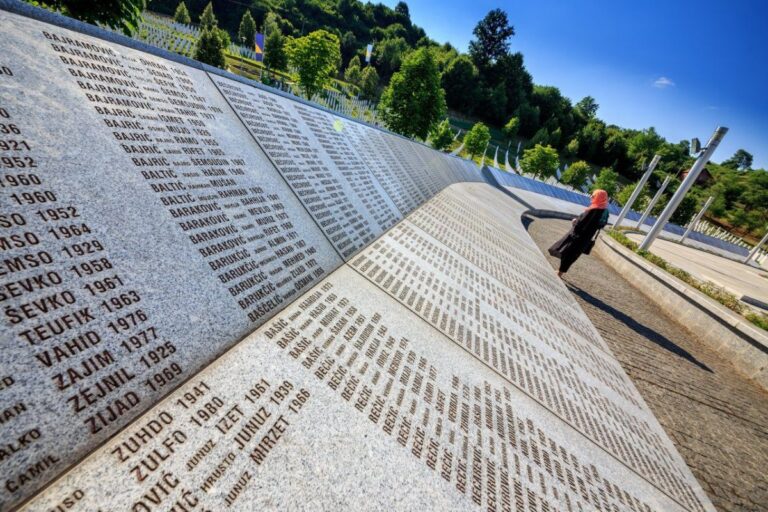
Remembrance Day, observed annually on 11th November, holds profound significance in commemorating the sacrifices made by armed forces members in conflicts throughout history. As we approach Remembrance Day 2025, nations across the globe prepare to honour those who served, ensuring their legacy continues through reflection and respect. This year marks a time for unity in remembrance as the world remembers not only those lost in battle but also the impact of war on families and communities.
Historical Context and Importance
Since the end of World War I, Remembrance Day has served as a solemn occasion to reflect on the sacrifices made by military personnel. The poppy flower, a symbol of remembrance, reminds us of the bloodshed that took place in the trenches of Flanders. As we look forward to 2025, it is crucial to acknowledge the evolving nature of conflicts and the ways in which wars have shaped modern society.
2025 Events Worldwide
In the UK, ceremonies will be held at the Cenotaph in Whitehall, with dignitaries, veterans, and members of the armed forces gathering to lay wreaths in honour of the fallen. Communities across the country will also organise local events, offering citizens the opportunity to participate in moments of silence and remembrance. Schools and youth organisations are increasingly involving younger generations in discussions about the significance of the day, ensuring that the narrative of remembrance is passed on.
Beyond Britain, countries like Canada, Australia, and New Zealand will also observe their own traditions, often including parades and memorial services. In Canada, for example, the National Remembrance Day Ceremony at the National War Memorial in Ottawa draws thousands of attendees annually. In 2025, events are expected to incorporate more inclusive practices, recognising both historical and contemporary stories of service and sacrifice.
Conclusion
Remembrance Day 2025 presents a unique opportunity to honour the sacrifice of those who served in conflicts while reflecting on the broader implications of war in society. As preparations and discussions commence for this significant day, it serves as a reminder of the importance of remembrance in fostering peace and understanding in our communities. Attending events, participating in educational activities, or simply pausing for a moment of silence can all contribute to the collective act of remembrance, ensuring that the memories of our heroes endure for generations to come.