Introduction
The global weapons trade remains a pivotal issue in international relations, with significant implications for security, conflict, and economy. As nations grapple with evolving threats, understanding the dynamics of weapons manufacturing, distribution, and regulation is essential. Recent developments underscore the urgency to address arms trafficking and its consequences, making this topic relevant to policymakers, analysts, and the general public alike.
Current Trends in the Weapons Trade
In 2023, the Stockholm International Peace Research Institute (SIPRI) reported that global military spending reached an unprecedented high, exceeding $2 trillion for the first time. This surge is largely driven by geopolitical tensions, notably in Europe and Asia. Countries such as the United States, China, and Russia continue to dominate the arms market, contributing significantly to their respective military-industrial complexes.
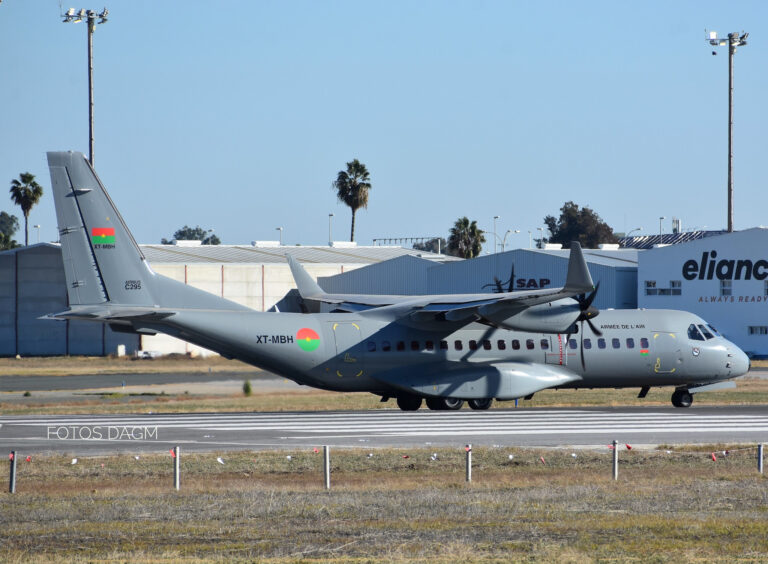
The United States remains the world’s largest arms exporter, controlling nearly 40% of the global market. In a recent analysis, it was found that sales of weapon systems to the Indo-Pacific region skyrocketed as tensions with China rise. Notably, arms sales to Taiwan and Australia have increased sharply, reflecting a strategic pivot in U.S. foreign policy.
Meanwhile, Europe is also witnessing a rise in military expenditure, particularly in light of the ongoing conflict in Ukraine. NATO member states have ramped up investments in military capabilities, resulting in increased procurement of advanced weaponry. Nations such as Germany and Poland have announced significant arms deals to enhance their defence systems.
Legal and Ethical Implications
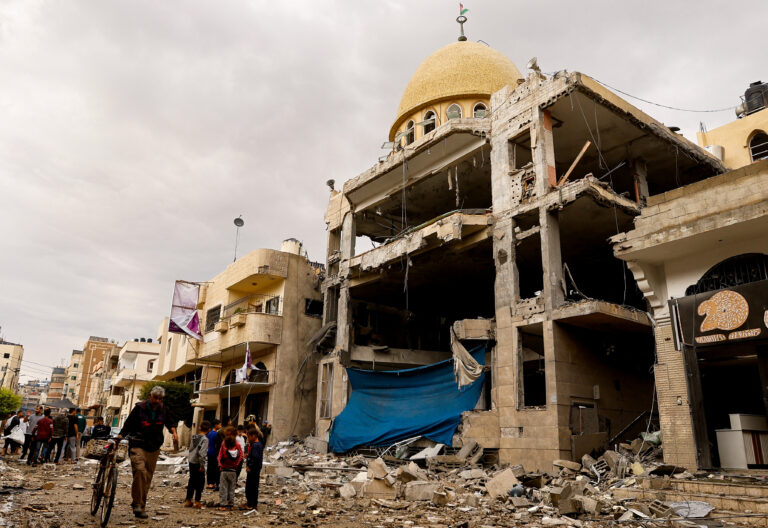
The proliferation of weapons raises pressing ethical concerns, especially regarding human rights violations in conflict zones. Amnesty International has reported increasing instances of arms being used in war crimes. The challenge of regulating arms trade remains a contentious debate among nations; the Arms Trade Treaty (ATT) aims to restrict the illegal trade in conventional weapons but has faced implementation hurdles.
Moreover, the rise of non-state actors, including terrorist organisations, complicates the landscape further. Reports indicate that these groups are increasingly acquiring sophisticated arms through black markets, exacerbating global instability.
Conclusion
In summary, the global weapons trade is at a critical juncture, influenced by geopolitical tensions, technological advancements, and ethical dilemmas. As nations continue to invest in their military capabilities, the importance of comprehensive regulations and oversight cannot be overstated. Looking forward, international cooperation will be vital in addressing the challenges posed by arms proliferation and ensuring that weapons do not exacerbate conflict and human suffering. Understanding these dynamics will be crucial for policymakers and citizens alike as we navigate the complex landscape of global security.