Introduction
Pepe the Frog, originally created by cartoonist Matt Furie in 2005, has evolved from a simple comic character to a complex symbol within digital culture. This transformation reflects broader societal trends, including shifts in internet meme culture, politics, and even social movements. Understanding Pepe’s relevance today is crucial for comprehending the interplay between art, emotion, and communication in the contemporary landscape.
The Rise of Pepe
Pepe initially appeared in Furie’s comic series ‘Boy’s Club,’ where he was depicted as a laid-back frog engaging in various humorous situations. By 2008, the meme gained immense popularity on platforms like 4chan, portraying a variety of emotions captured by Pepe’s face: from sadness to smugness. The image of Pepe became a versatile tool for online expression, easily adaptable to various contexts and sentiments.
The Controversy
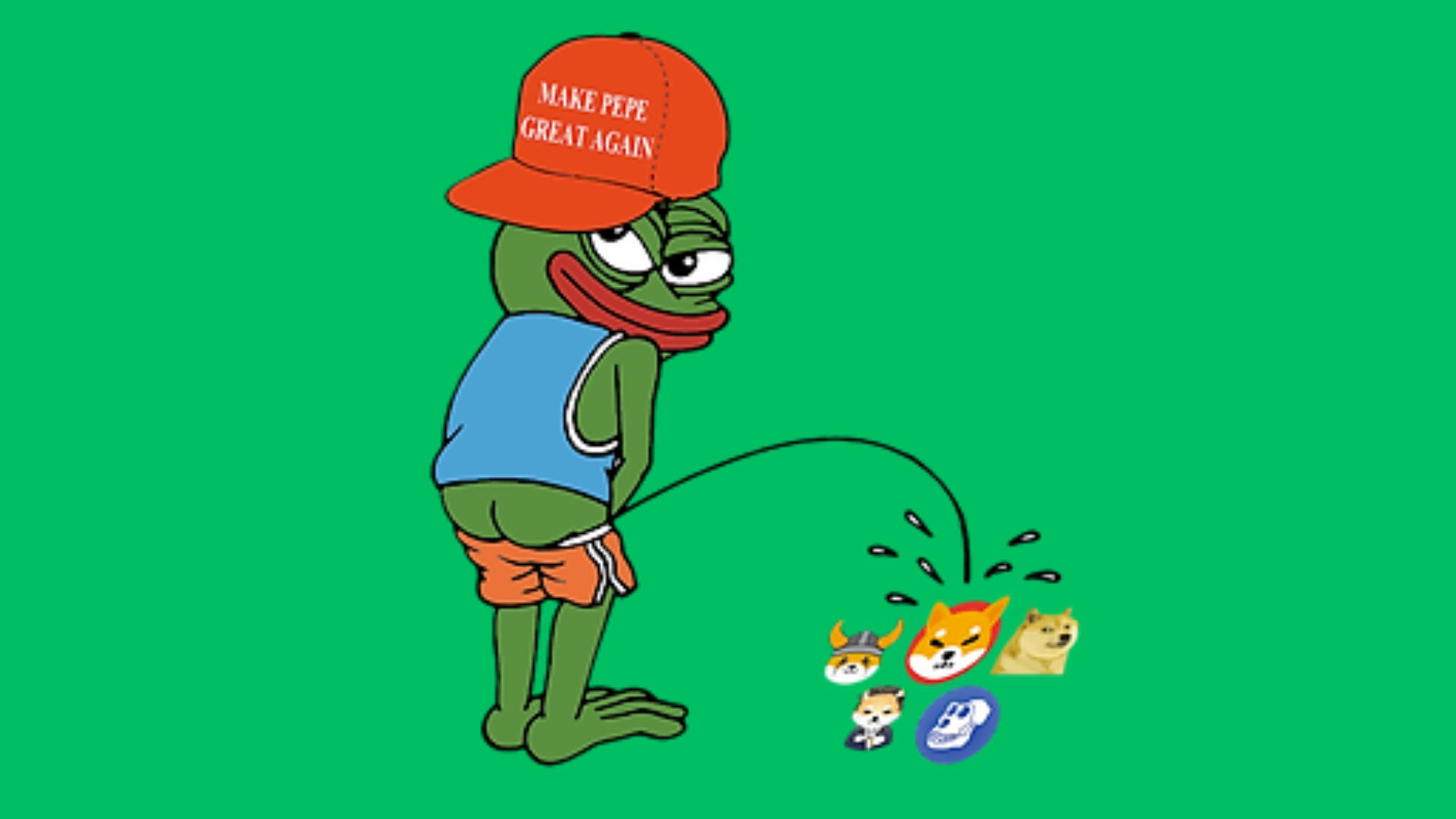
Despite its innocent origins, Pepe’s image has been co-opted by various groups, most notably during the 2016 United States presidential election, where it was misappropriated by alt-right groups. This led to a significant backlash from Furie, who sought to reclaim Pepe as a symbol of positivity and unity. In response to this controversy, the Anti-Defamation League labeled Pepe as a hate symbol, complicating his status as a cultural icon.
Pepe Today
Currently, Pepe has undergone a resurgence as a neutral or positive figure in popular culture, often used in a variety of positive contexts across social media platforms. In 2023, Furie released a new comic depicting Pepe as a beloved friend encouraging kindness and friendship, indicating a return to its original intent. Meanwhile, various internet users are working to reclaim Pepe’s image from its politicised past, demonstrating how digital communities can create meaning and through memes.
Conclusion
The story of Pepe the Frog serves as a microcosm of the complexity of internet culture and the rapid shifts in societal values. As digital representation continues to evolve, the challenge remains to navigate symbols that carry multiple meanings. The future of Pepe suggests that internet memes can transcend their initial context, reshaping and redefining themselves within cultural dialogues. For consumers of digital content, understanding these symbols is essential, as it impacts both personal expression and broader social movements.