Introduction
The liver is one of the most vital organs in the human body, playing a crucial role in various metabolic processes. Responsible for detoxifying harmful substances, producing essential proteins, and managing energy storage, the liver’s health is paramount to overall well-being. Recent studies reveal that liver diseases, including fatty liver disease and hepatitis, are on the rise, making awareness of liver health more pertinent than ever.
The Functions of the Liver
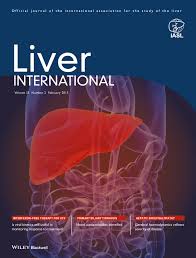
Located in the upper right portion of the abdomen, the liver performs over 500 functions. It is instrumental in the digestion of food by producing bile, which helps in the breakdown of fats. The liver also synthesises proteins for blood clotting and other essential functions, regulating glucose levels by converting excess glucose into glycogen for storage.
Moreover, the liver plays a significant role in metabolism by converting carbohydrates, fats, and proteins into energy. It filters toxins from the blood, ensuring that waste products are excreted efficiently. This detoxification process is vital in preventing the accumulation of harmful substances in the body.
Increasing Incidence of Liver Diseases
According to the UK’s National Health Service (NHS), liver disease-related hospital admissions have increased by more than 400% over the past couple of decades. Factors contributing to this rise include obesity, alcohol consumption, and viral hepatitis. Non-alcoholic fatty liver disease (NAFLD) has emerged as a leading cause, driven primarily by lifestyle choices and diet.
Recent data from the British Liver Trust indicates that 1 in 5 adults in the UK is affected by NAFLD, which can progress to more severe conditions such as cirrhosis or liver cancer if left untreated. Early detection and lifestyle modifications, such as adopting a balanced diet and regular exercise, are crucial in combating these trends.
Maintaining Liver Health
To maintain optimal liver health, individuals should focus on a balanced lifestyle. This includes a diet rich in fruits, vegetables, whole grains, and lean proteins while minimising added sugars and saturated fats. Regular physical activity, moderate alcohol consumption, and abstaining from smoking are also vital components of liver care.
Routine medical check-ups are essential for early detection of liver issues, especially for individuals at higher risk due to genetics or existing health conditions. Blood tests to assess liver function and diagnostic imaging can be crucial in identifying potential problems before they escalate.
Conclusion
The liver’s health remains a fundamental aspect of overall wellness. With increasing rates of liver-related diseases, public awareness and proactive management of liver health are indispensable. As research continues to unfold, improving lifestyle choices and regular health screenings will be key strategies in reducing the burden of liver diseases within the community.