Introduction: The Importance of Breast Cancer Screening
Brest cancer screening plays a vital role in early detection and treatment of one of the most prevalent cancers among women globally. According to the World Health Organization, breast cancer accounts for 25% of all cancer cases among women, making regular screening not just beneficial but necessary. As the campaigns for awareness and early detection ramp up, understanding the significance of screening can empower women to take charge of their health.
Current Recommendations and Methods
Current guidelines suggest that women aged 50 to 74 should undergo mammogram screenings every three years, while those aged 40 to 49 are encouraged to consult their doctor about when to start screening based on personal risk factors. The National Health Service (NHS) in the UK recommends self-examinations and utilizing breast screening services available through local NHS trusts.
Recent advancements in technology have introduced new methods such as 3D mammography and MRI screenings, which can enhance the detection rates of tumours. These methods enable radiologists to view layers of breast tissue, improving the chances of identifying abnormalities that traditional methods may miss.
Recent Developments and Statistics
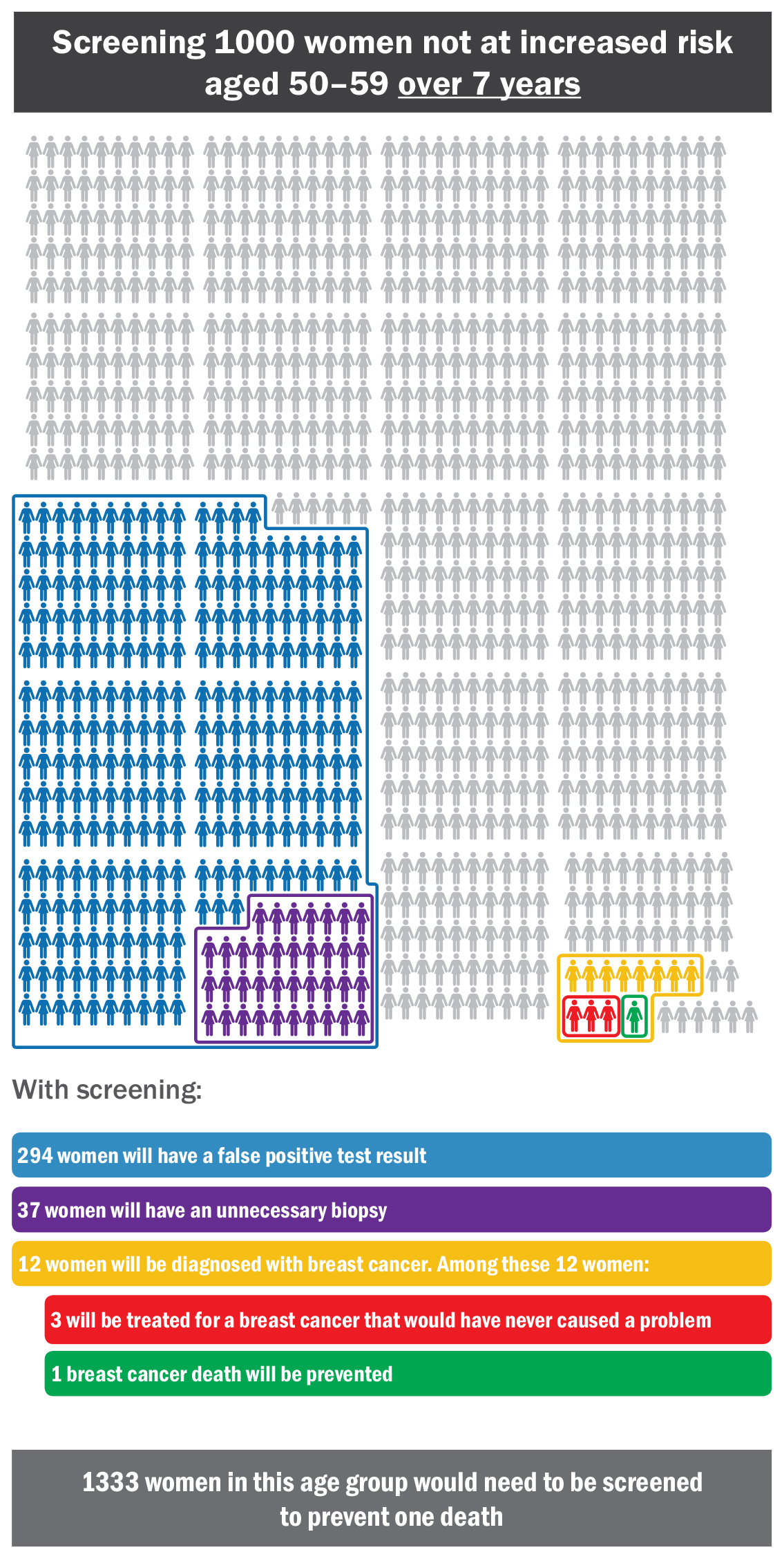
As of 2023, data from Cancer Research UK revealed that about 50,000 new cases of breast cancer are diagnosed each year, with over 80% of women surviving the disease for five years or more when detected early. Research indicates that mammograms can decrease breast cancer mortality by nearly 30% in women aged 50 to 69. However, there has been a concerning drop in screening rates due to the COVID-19 pandemic, prompting health services to implement catch-up programmes to ensure women do not miss their vital screenings.
Conclusion: The Future of Breast Cancer Screening
As we move forward, the emphasis on breast cancer screening remains paramount. With campaigns aimed at reducing stigma and better informing women about their options, combined with advancements in technology, it is essential that women take advantage of screening services available to them. The future of breast cancer screening lies in public awareness and accessibility, leading to earlier detection, improved treatment outcomes, and, ultimately, saving lives. Women are urged to stay proactive about their health and consult healthcare professionals regarding their screening schedules. With continued efforts, we can hope for a future where breast cancer outcomes are significantly enhanced.