Introduction
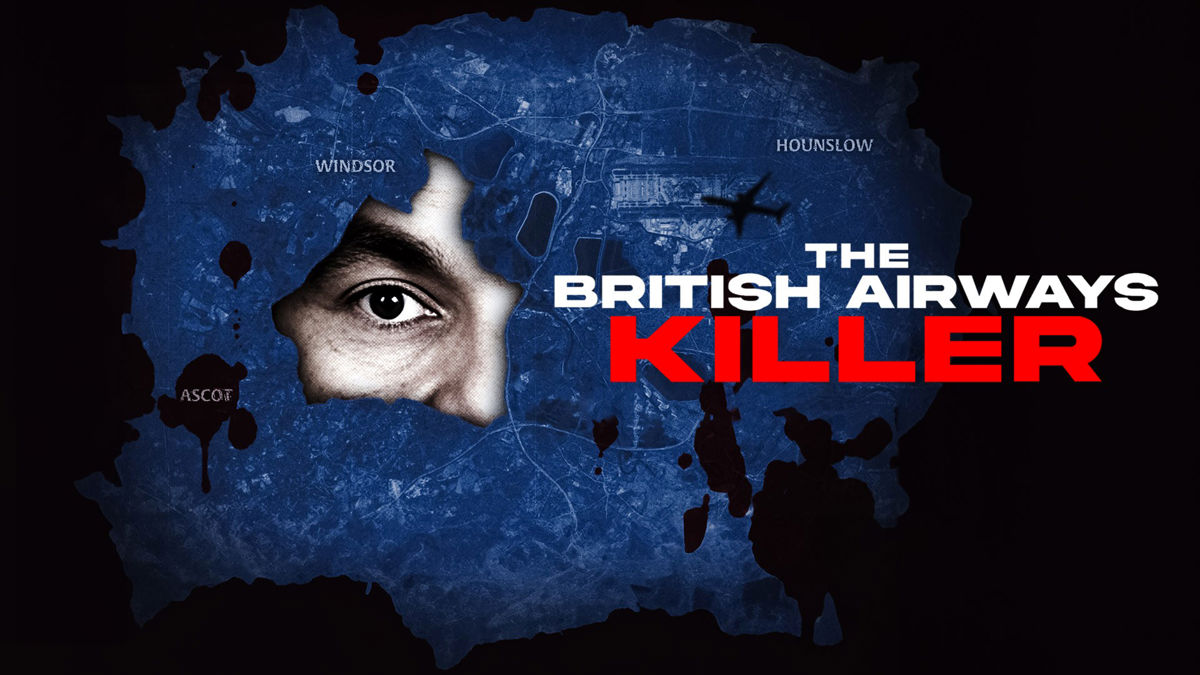
The topic of aviation safety has always been a significant concern, particularly in light of high-profile incidents that have shaped the industry. The case of the ‘British Airways killer’ is one such incident that has garnered attention not just for its brutality but for its implications on security protocols in aviation. Understanding the events surrounding this case sheds light on the importance of ongoing vigilance in air travel security.
The Incident
In 1985, a horrific crime took place aboard British Airways Flight 28, a scheduled flight from London to Los Angeles. In a shocking turn of events, a passenger was brutally murdered onboard. The assailant was later identified as a man named Paul Bales, who was arrested shortly after landing. Initial investigations revealed that the crime was fueled by personal grievances, casting a spotlight on mental health issues within the aviation sector.
Impact on Aviation Security
The murder shocked the airline industry and prompted an immediate review of security measures. Following the incident, British Airways, along with other airlines around the world, began to implement stricter passenger screening processes. The British government also took steps to enact legislation aimed at enhancing security protocols in the aviation sector. Notably, the case underscored the necessity of thorough psychological evaluations of employees and passengers alike.
Media and Public Reaction
The British Airways killer case was a significant talking point in the media, with many outlets covering the unfolding drama. Public fascination turned into fear as many passengers began questioning their safety while flying. The case reignited debates about airline safety and security measures, leading to broader discussions about the human element involved in such jobs.
Conclusion
In retrospect, the case of the British Airways killer serves as a reminder of the complexities involving safety in air travel, particularly in relation to mental health and security oversight. The incident catalysed changes within the airline industry, resulting in more stringent checks and measures that have become industry standards today. As security threats continue to evolve, it becomes imperative for aviation authorities and airlines to remain vigilant and adaptive. Readers should consider the ongoing relevance of this case, particularly in discussions about safety and regulation within the aviation industry.