Introduction
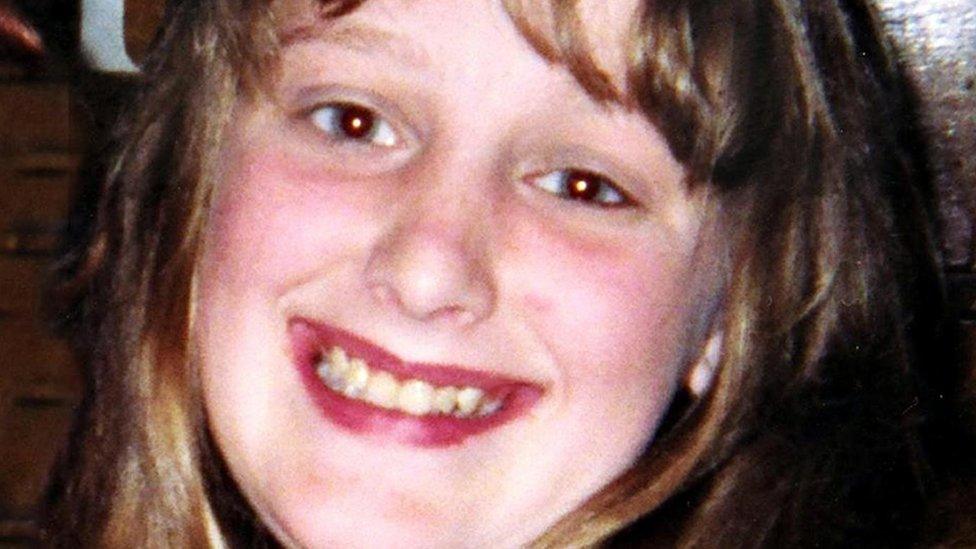
The case of Charlene Downes, a 14-year-old girl who went missing in Blackpool in 2003, remains one of the most heart-wrenching and controversial investigations in the UK. Over the years, it has raised numerous questions regarding police procedures, media coverage, and the impact of community engagement in missing persons cases. The search for answers continues to grief the family and fuel public interest.
Background of the Case
Charlene was last seen outside a local takeaway, and despite extensive searches and appeals for information, her whereabouts remained unknown for years. Initial investigations proved challenging due to limited data and eyewitness accounts. In 2007, the case gained considerable media attention when officials declared her legally dead, creating a surge of public empathy and renewed calls for justice.
Recent Developments
In recent months, there have been significant developments in the Charlene Downes case. In October 2023, police announced they were re-examining evidence using new forensic technology capable of enhancing prior data. This announcement has rekindled hope among Charlene’s family and advocates, who believe advancements in DNA profiling could lead to breakthroughs. Detective Inspector Jamie Ainsworth stated, “We believe there are people in the community who may have information that could be vital to this investigation, and we encourage them to come forward for the sake of Charlene’s family.”
Community and Media Involvement
The case has also seen considerable community involvement. In 2022, the Charlene Downes Memorial Fund was established to assist families of missing persons and raise awareness about the challenges they face. Local organisations and individuals frequently organise vigils, attracting attention to the unresolved nature of this tragic case. Social media campaigns have revitalised interest in Charlene’s story, engaging a younger audience to become aware of the issues surrounding missing persons.
Conclusion
The continued investigation into Charlene Downes’ disappearance highlights the importance of community support and technological advancements in solving cold cases. The recent developments indicate that authorities remain committed to seeking justice for Charlene and her family. As the inquiry unfolds, there is cautious optimism that new leads may finally provide answers that have eluded everyone for the past twenty years. For readers, the story serves as a poignant reminder of the ongoing struggles faced by families of missing persons, as well as the critical role of public participation in such investigations.