Introduction
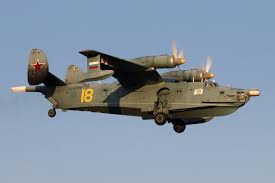
The BE-12 Chayka, a turboprop amphibious aircraft developed in the Soviet Union, holds an important place in aviation history, particularly in maritime patrol and search-and-rescue operations. This aircraft’s design and capabilities highlight the advancements in military aviation technology during the Cold War era. As geopolitical tensions arise in various parts of the world, understanding the operational significance of the BE-12 Chayka remains relevant.
Design and Specifications
First introduced in the 1960s, the BE-12 was primarily designed for reconnaissance and anti-submarine warfare as part of the Soviet fleet. With a top speed of around 500 km/h (310 mph) and range of approximately 2,000 km (1,243 miles), it showcased formidable performance for its time. Its features included a hull capable of landing on water, retractable landing gear for land-based operations, and advanced avionics that would allow it to conduct missions during day or night.
Operational History
Throughout its service, the BE-12 Chayka played an instrumental role in naval operations with the Soviet Navy and was involved in multiple search-and-rescue missions over the Black Sea and Arctic regions. It was deployed extensively during the Cold War, reflecting the strategic value of amphibious aircraft that could operate in diverse environments. The airframe’s robust structure allowed it to withstand the rigors of maritime operations, making it a reliable asset for Soviet forces.
Modern Significance
While the BE-12 is no longer in active service, its legacy continues to influence modern amphibious aircraft designs. Current trends in military aviation indicate a resurgence of interest in multi-role aircraft that can operate from both land and water. As climate change leads to increasing natural disasters, the Chayka’s search-and-rescue capabilities may find new relevance in contemporary aviation strategy. Furthermore, advancements in drone technology are drawing parallels to the legacy of the BE-12, as nations seek to enhance operational reach and efficiency.
Conclusion
The BE-12 Chayka remains a fascinating subject of study in aviation history. Its contributions to maritime patrol and the evolution of amphibious aircraft underline the importance of such planes in military and humanitarian efforts. As future innovations in aviation emerge, the principles demonstrated by the Chayka will likely influence the development of modern aircraft, ensuring that its legacy will not be forgotten. Understanding its role helps aviation enthusiasts and professionals appreciate the multifaceted nature of aircraft design and operation.