Introduction
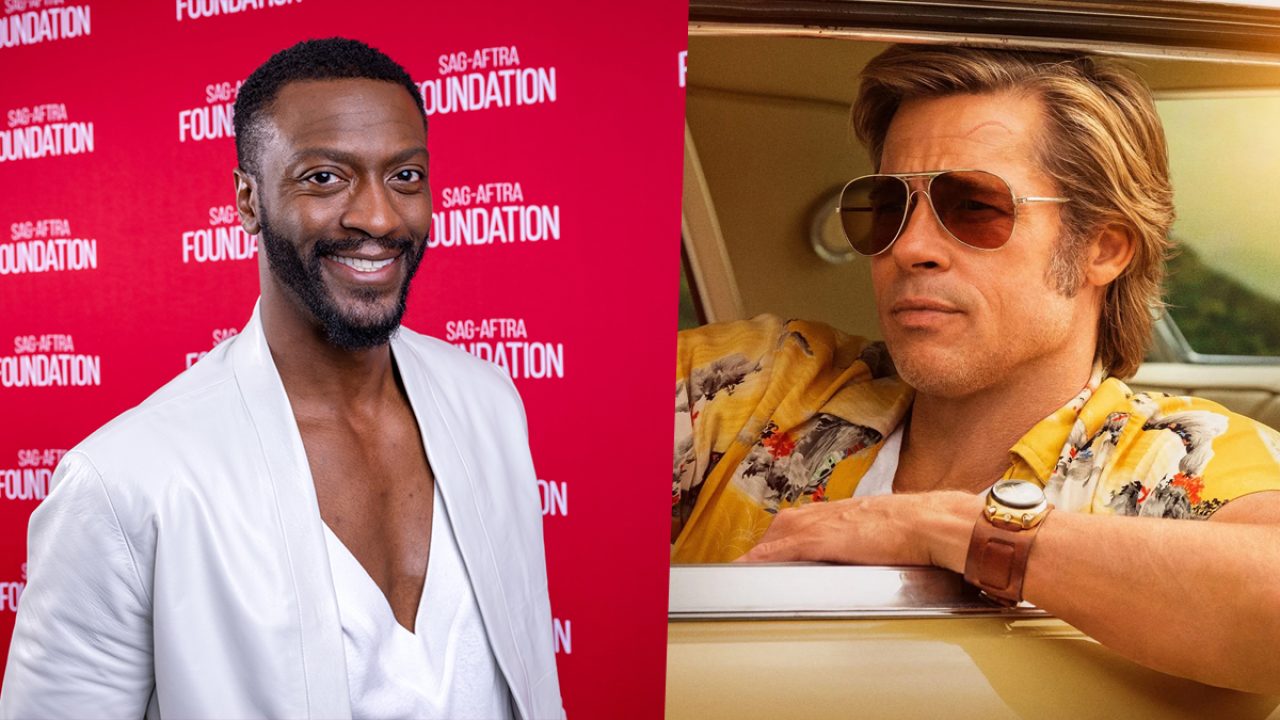
The character of Cliff Booth, played by Brad Pitt in Quentin Tarantino’s film ‘Once Upon a Time in Hollywood’, has resonated with audiences for his charm and complexity. As a fictional stuntman and actor in the late 1960s, Cliff embodies the spirit of Hollywood’s golden age, making his adventures not only entertaining but also a reflection of the era’s culture. This article explores the significance of Cliff Booth’s character, his narrative arc in the film, and his impact on popular culture.
A Cinematic Hero
Cliff Booth is introduced as a laid-back, loyal friend to struggling actor Rick Dalton, portrayed by Leonardo DiCaprio. Despite being in the shadows of Rick’s stardom, Cliff’s persona exudes a magnetic allure. Viewers are captivated by his fearless attitude and knack for navigating the complexities of Hollywood’s landscape. Throughout the film, Cliff’s adventures include thrilling stunt work, unexpected encounters, and insightful dialogues that highlight the stark contrast between the glitzy life of Hollywood and the underlying realities of fame.
Cliff’s Relationships
The relationship between Cliff and Rick serves as a focal point in the narrative. Their camaraderie reflects a brotherly bond, built on trust, shared experiences, and the highs and lows of their acting careers. Additionally, Cliff’s interactions with characters like actress Sharon Tate, played by Margot Robbie, present a nuanced view of the 1960s film industry, showcasing both the joy and fragility of aspiring artists.
Cultural Relevance
The popularity of Cliff Booth also resonates beyond the film itself. His character has inspired a wave of merchandise, talk among film enthusiasts, and discussions regarding ethical dilemmas within the entertainment industry. The archaeological aspect of exploring a filmmaker’s interpretations of the past, as displayed through Cliff’s narrative, prompts viewers to reflect on the broader historical context of Hollywood.
Conclusion
In conclusion, the adventures of Cliff Booth encapsulate a significant chapter in cinematic history and the evolution of Hollywood storytelling. By weaving together elements of nostalgia, friendship, and the often overlooked struggles of the film industry during the 1960s, Tarantino has crafted a character that resonates deeply with audiences. As viewers continue to engage with Cliff’s journey, it is evident that his influence will endure, paving the way for future narratives that blend the glimmer of the silver screen with the complexities of real life.