How it unfolded
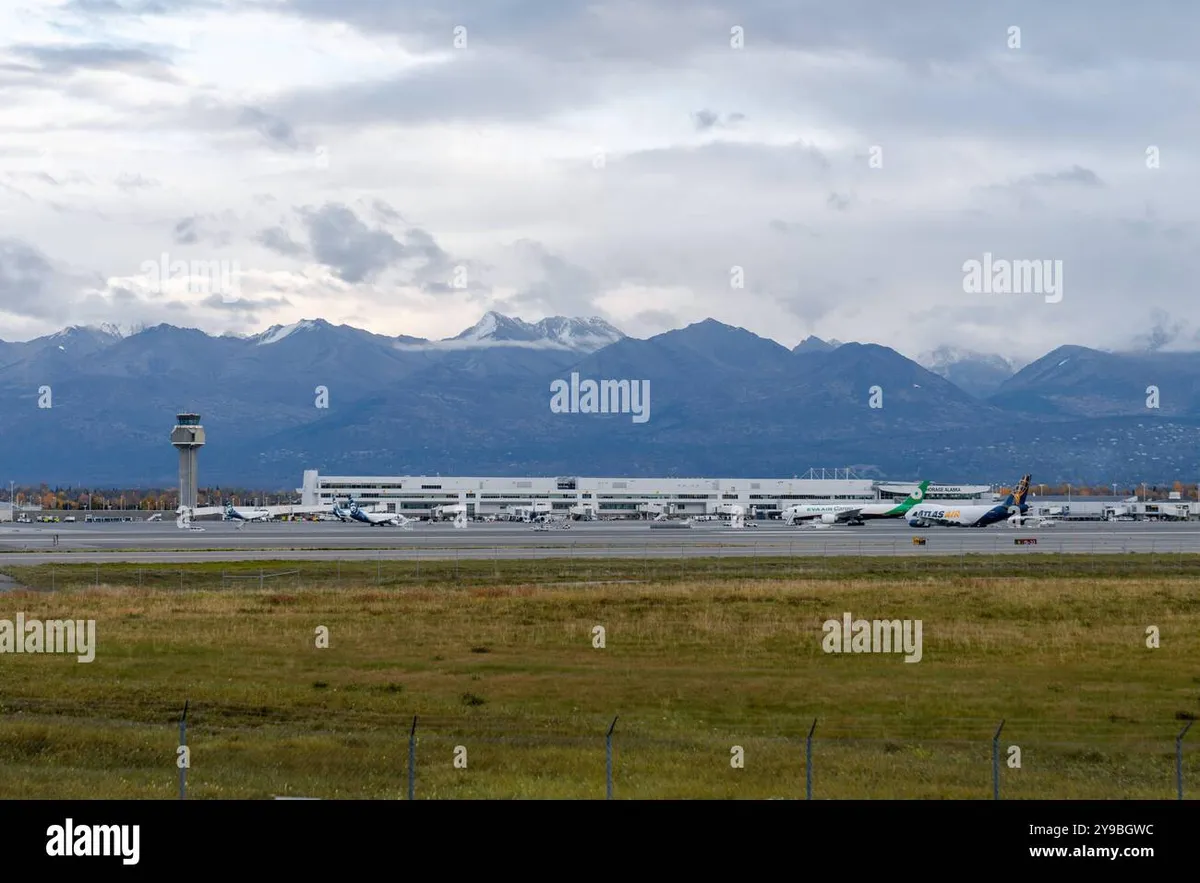
On April 6, 2026, the bustling Ted Stevens Anchorage International Airport found itself grappling with significant disruptions. Just days before, the airport had been operating under the shadow of a severe blizzard that swept across North America in March, causing widespread flight cancellations and delays. As the weather began to clear, the airport was still feeling the effects of that storm, compounded by rising fuel prices that were beginning to take a toll on airline operations.
Delta Air Lines announced it would be scrapping its scheduled summer flights from Los Angeles to Anchorage, citing the sharp rise in jet fuel prices, which had surged to between $150 and $200 per barrel. This decision was a clear indicator of the challenges airlines are facing in the current economic climate. “Airlines face an existential challenge,” remarked Rigas Doganis, emphasizing the precarious situation many carriers find themselves in.
As the day unfolded, the operational difficulties at Anchorage became apparent. At least 24 flights were delayed, and 7 were canceled, as airlines struggled to maintain schedules amidst the ongoing fallout from the blizzard and the high cost of fuel. Alaska Airlines reported multiple late departures on its routes from Anchorage to Seattle and Los Angeles, further complicating travel plans for many passengers.
According to FlightAware, inbound flights to Anchorage were delayed by an average of 36 minutes, a frustrating experience for travelers eager to reach their destinations. The airport had cautioned that slush, ice, and deicing operations could lead to additional delays, which only added to the growing list of challenges faced by both airlines and passengers.
The impact of these disruptions extended beyond just the immediate delays. Alaska Air Group revised its first-quarter forecast, indicating a deeper adjusted loss than previously anticipated due to the soaring jet fuel prices. A major financial firm responded by reducing its price target for Alaska Air Group stock from $70 to $60 per share, reflecting the market’s concern over the airline’s financial health in light of these rising costs.
Ed Bastian, CEO of Delta Air Lines, noted the severity of the situation, stating, “Fuel prices almost doubled since the start of the year.” This stark reality has forced airlines to make tough decisions, including cutting routes and adjusting schedules, which ultimately affects the traveling public. The uncertainty surrounding future flight schedules and operations remains a pressing concern for both airlines and their customers. Details remain unconfirmed.
As Anchorage continues to navigate these turbulent times, the community is reminded of the vital role the airport plays in connecting Alaskans to the rest of the world. The ongoing challenges highlight the resilience of the local travel industry and the importance of adaptability in the face of adversity. With the support of the community and a commitment to overcoming these hurdles, there is hope for a brighter future for air travel in Anchorage.