The Importance of Monitoring Typhoons
As climate change continues to influence weather patterns, the occurrence and intensity of typhoons have significantly increased in regions like Southeast Asia. Typhoons pose a risk not only to human life but also to infrastructure, economies, and the environment. Recently, Hong Kong faced the brunt of Super Typhoon Ragasa, underscoring the vital need for preparedness and adaptive measures against such severe weather events.
Super Typhoon Ragasa: An Overview
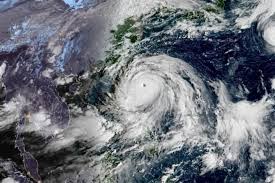
Super Typhoon Ragasa formed in early October 2023 and escalated rapidly due to favourable atmospheric conditions. Scientists and meteorologists observed that Ragasa was projected to become one of the strongest storms to hit Hong Kong in recent years. The Hong Kong Observatory issued several warnings leading up to the storm’s landfall, advising residents about potential hazards.
Impact on Hong Kong
Ragasa made landfall in Hong Kong on October 10, 2023, triggering strong winds reaching speeds of up to 150 km/h and heavy rainfall exceeding 300 mm. The local government was quick to activate emergency response protocols, leading to the closure of schools and suspension of public transport. Significant flooding occurred in low-lying areas, and fallen trees and debris littered roads, severely disrupting daily life.
Casualties and Damage
The storm caused widespread damage across the city with reports of structural collapses and power outages. Emergency services reported several injuries due to falling debris, with no confirmed fatalities; furthermore, thousands of residents lost power as the high winds downed electrical lines. Recovery efforts are already underway, but it will take time for the affected areas to return to normal.
Looking Ahead: Preparedness and Future Forecasts
The devastation caused by Super Typhoon Ragasa has once again highlighted the importance of disaster preparedness in urban areas prone to extreme weather. Experts are urging local governments to invest in infrastructure improvements, early warning systems, and public education campaigns on disaster readiness. The forecast models suggest that such super typhoons may become more frequent, posing a recurrent threat to Hong Kong and surrounding regions.
Conclusion
As residents begin the process of recovery, the lessons learned from Super Typhoon Ragasa will likely shape future policies and preparedness strategies. Strengthening infrastructural resilience and advancing community education on emergency responses will be crucial in mitigating damage from future weather events. The impacts of Ragasa should serve as a wake-up call to not only Hong Kong but also to other vulnerable coastal cities around the world facing the increasing threats of climate change.