Introduction
The retirement age is a significant topic affecting millions of workers globally. As life expectancy increases and economic conditions evolve, discussions around adjusting the retirement age remain crucial. Understanding the implications of changes in retirement age is essential for better financial planning and navigating the workforce.
Current Status of Retirement Age
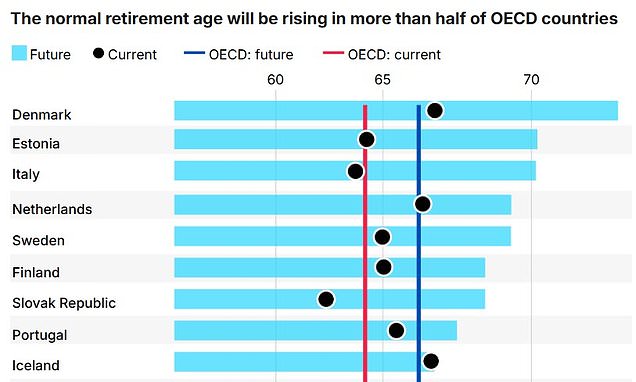
As of 2023, the retirement age in the UK remains set at 66 for both men and women, following a gradual increase from previous levels. This age is anticipated to rise further to 67 by 2028, according to the UK government’s planned reforms. The reasons for increasing the retirement age include financial sustainability of pension systems and the growing life expectancy among the UK population.
Factors Influencing Retirement Age Changes
Several factors drive the conversation around retirement age:
- Life Expectancy: The Office for National Statistics reports that UK citizens are living longer, with life expectancy now averaging 81 years for men and 84 years for women. Longer lifespans mean that pensions may need to be paid for more extended periods, leading to the necessity for higher retirement ages.
- Economic Pressures: The economic impacts of the COVID-19 pandemic have also placed pressure on public finances. Many advocate for raising the retirement age as a way to maintain the viability of the pension system.
- Changing Work Dynamics: The modern workforce is increasingly shifting towards flexible and remote jobs, which some argue should offer individuals the option of working longer without necessitating a specific retirement age.
Public Sentiment and Concerns
However, the move towards raising retirement age is met with mixed feelings. Many workers express concerns about the physical demands of working longer, especially in manual labour jobs. Studies show that workers in physically demanding roles often face greater health issues as they age. This disparity raises questions about fairness and the sustainability of a one-size-fits-all approach to retirement.
Conclusion
As discussions surrounding retirement age continue, it remains pertinent for individuals to stay informed and prepare for potential changes. Policymakers and employers must consider the diverse workforce’s physiological and economic needs. The ongoing debates will shape the future of retirement, potentially leading to significant shifts in how and when people retire. Understanding the implications can help individuals make informed career and financial decisions as they age.