Introduction
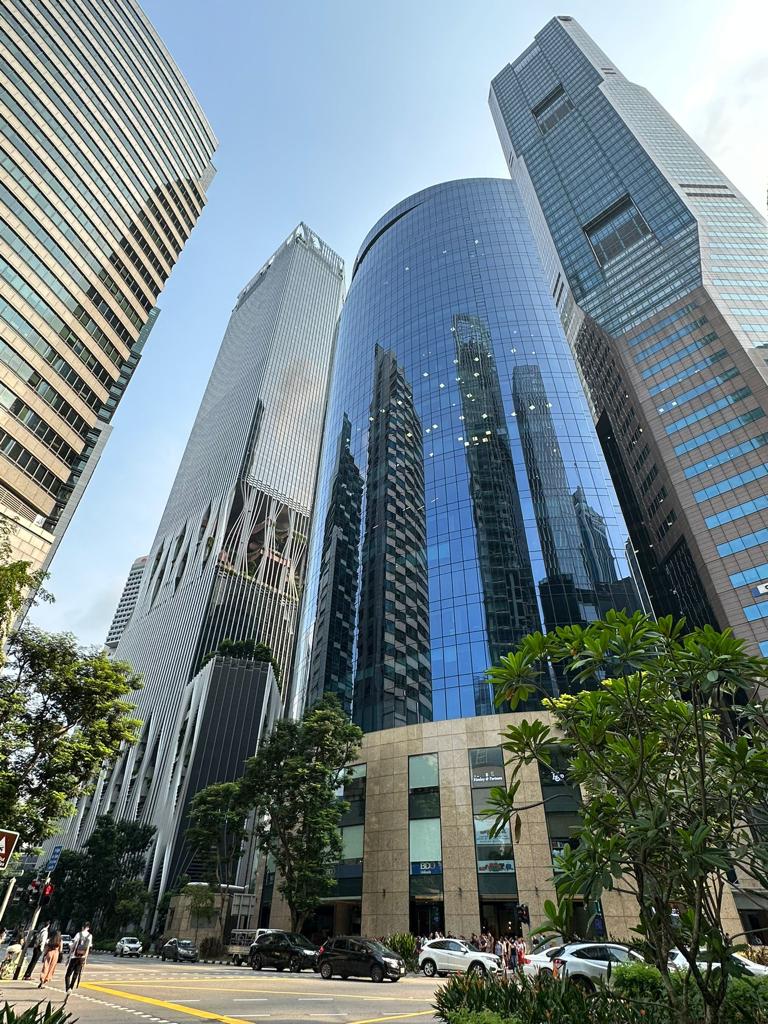
Singapore, often termed the ‘Lion City’, is recognized worldwide for its remarkable economic transformation, unique multicultural landscape, and commitment to innovation. As a major financial hub in Southeast Asia, Singapore’s relevance has surged, especially amidst the technological advancements and evolving global market dynamics. Understanding its significance provides insights into how a small city-state can command a significant influence on global affairs.
The Economic Landscape
With a gross domestic product (GDP) of approximately £380 billion in 2022, Singapore has established itself as one of the wealthiest nations globally. Its strategic location and advanced infrastructure make it a vital port for international trade. The country has diversified its economy across sectors such as finance, technology, and tourism, attracting foreign direct investment (FDI) with favourable business conditions, including low tax rates and a stable political environment.
Cultural Diversity
Singapore is a melting pot of cultures, comprising a vibrant mix of ethnic groups, including Chinese, Malay, Indian, and Eurasian communities. This diversity shapes its culinary scene, festivals, and social fabric. The high level of social cohesion is often attributed to policies promoting multiculturalism and mutual respect among different ethnic groups, which is vital for maintaining domestic harmony in an increasingly globalised world.
Technological Advancements
In recent years, Singapore has embraced technology and innovation, positioning itself as a leader in smart city initiatives. Projects such as the Smart Nation programme aim to integrate technology into daily life, enhancing urban living through digital services and connectivity. The country’s investment in research and development, particularly in sectors like biotechnology and cybersecurity, showcases its ambition to remain at the forefront of global technology trends.
Environment and Sustainability
Singapore’s commitment to sustainability is evident in its rigorous environmental initiatives. The city-state has implemented comprehensive green policies addressing urban sustainability and climate change. Initiatives like the Green Mark Scheme encourage sustainable building practices, and the government is actively investing in renewable energy sources to reduce its carbon footprint.
Conclusion
In conclusion, Singapore’s journey from a developing nation to a global leader serves as a model for other countries. Its strategic economic policies, inclusive cultural practices, and commitment to innovation and sustainability are pivotal to its success. As Singapore continues to navigate emerging challenges in a rapidly evolving global context, its ability to adapt and innovate will be crucial for maintaining its prominent position. For readers, understanding the dynamics of Singapore offers valuable lessons in resilience, adaptability, and the potential for growth in an interconnected world.