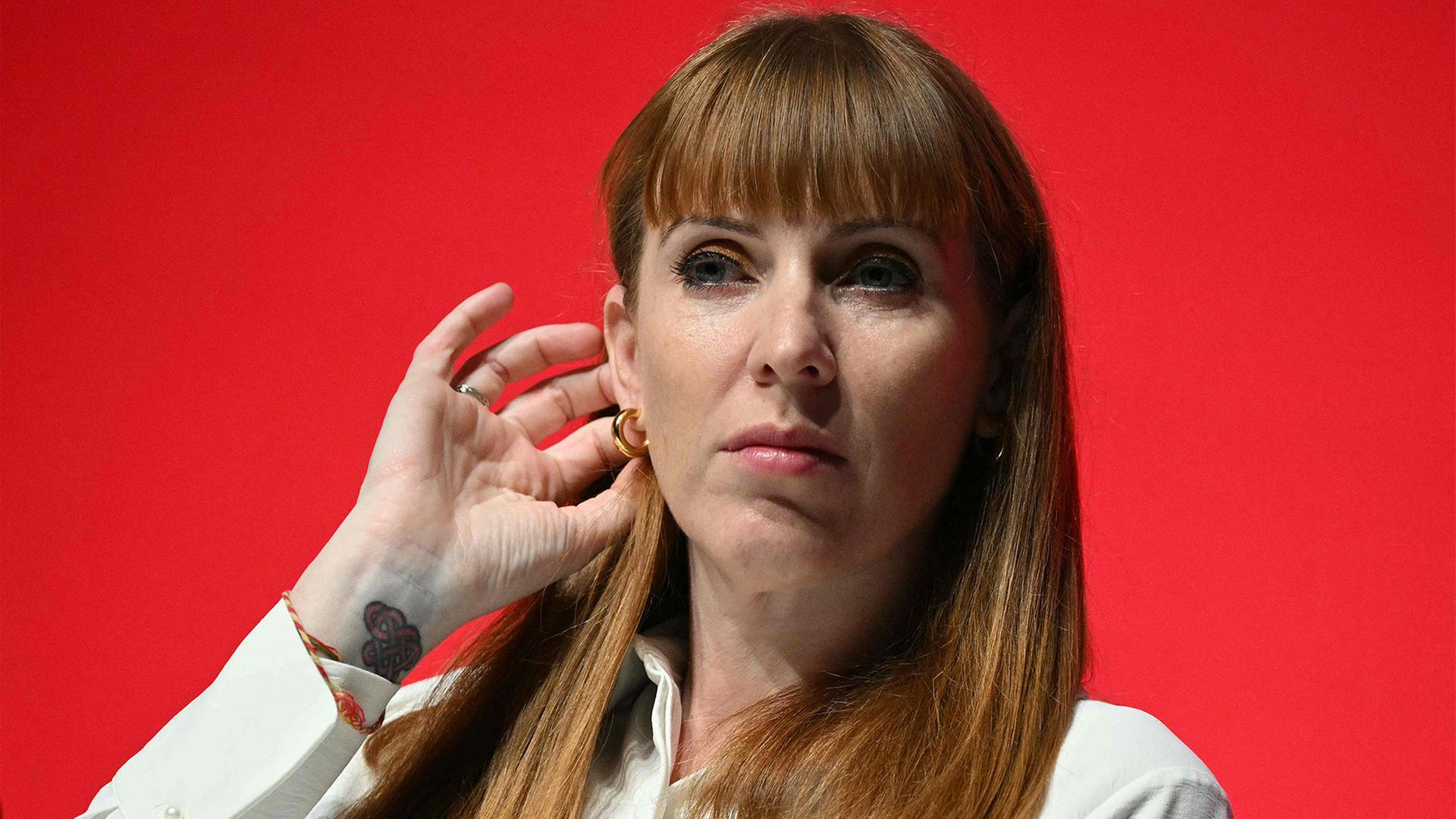
Introduction
Angela Rayner, a prominent figure in UK politics, has made headlines recently due to her influential role within the Labour Party. As the Deputy Leader, her actions and statements are increasingly relevant in the context of the upcoming general elections and Labour’s mission to regain power. Understanding Rayner’s position and objectives provides insight into the broader landscape of UK politics.
Role and Responsibilities
Since becoming Deputy Leader of the Labour Party in April 2020, Angela Rayner has taken on a multitude of responsibilities, addressing key issues such as education, care, and workers’ rights. Her background as a former social care worker and a strong advocate for workers gives her a unique perspective that resonates with many voters. The latest polls indicate that her popularity is on the rise, particularly among younger demographics, showcasing her potential as a leader in the Labour resurgence.
Recent Developments
As Labour gears up for future elections, Rayner has been vocal about the need for progressive policies that address the cost-of-living crisis. Her recent statements calling for an increase in the national minimum wage and an expansion of public services aimed at protecting the most vulnerable in society have garnered significant public support. Furthermore, her critique of the Conservative government’s handling of economic issues reflects Labour’s strategy to position themselves as an alternative for disenchanted voters.
Significance of Her Leadership
Angela Rayner’s role extends beyond her policy advocacy; she represents a new wave of leadership within the Labour Party. As a working-class woman from a diverse background, her story resonates with many who feel underrepresented in British politics. Her rise signifies a potential shift towards inclusivity and accountability within the party, which could be pivotal in regaining seats in forthcoming local and general elections.
Conclusion
As Angela Rayner continues to shape her narrative and push for critical changes, her influence within the Labour Party is undeniable. The political landscape in the UK is evolving, and with figures like Rayner at the helm, there is a possibility for significant transformation. Observers and voters alike will be watching closely as her initiatives unfold, with the potential to influence the future direction of Labour and the UK as a whole.