Introduction
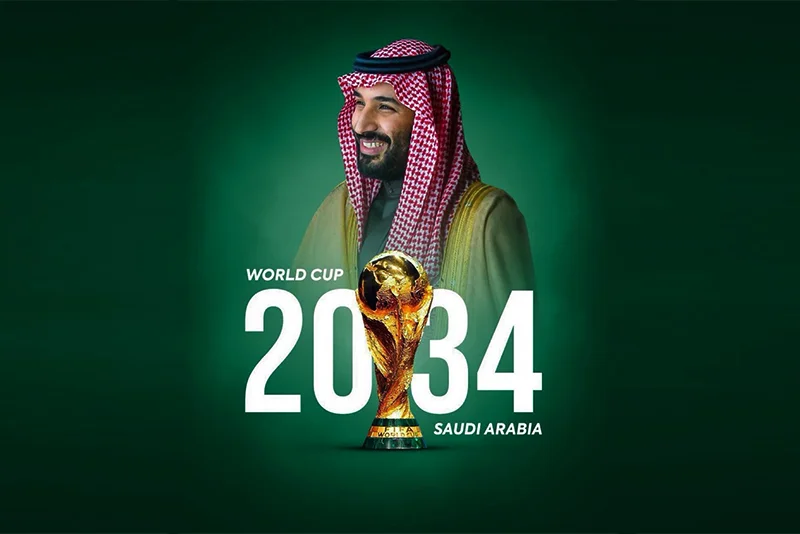
Saudi Arabia, the largest country in the Middle East, is experiencing a transformative shift that is reshaping its economy, society, and position on the global stage. With its rich cultural heritage and vast oil reserves, the nation is not only pivotal in regional politics but is also making significant strides towards diversifying its economy and opening up to international partnerships. The ongoing initiatives led by Crown Prince Mohammed bin Salman under the Vision 2030 plan highlight the kingdom’s commitment to reducing its reliance on oil and fostering innovation, tourism, and sustainable development.
Economic Diversification and Vision 2030
The Vision 2030 initiative, launched in 2016, aims to diversify Saudi Arabia’s economy beyond oil dependency, which historically has composed a massive proportion of its GDP. Recent reports indicate a surge in investments across various sectors, including technology, entertainment, and renewable energy. Major projects like NEOM, a $500 billion mega-city on the Red Sea, and the Red Sea Project, which focuses on tourism, are just the tip of the iceberg. These ambitious developments signify a commitment to building a modern economy that can thrive independently from its traditional lucrative oil market.
Global Relations and Diplomacy
In parallel to these economic reforms, Saudi Arabia is also strengthening its diplomatic relations globally. Recent discussions with Western nations regarding security cooperation and trade partnerships reflect the kingdom’s desire to stabilize the region and enhance its influence in international affairs. Moreover, the country has been proactive in fostering partnerships in technology and development, showcasing its eagerness to be a key player in global sustainability efforts.
Social Reforms and Cultural Changes
In recent years, Saudi Arabia has taken significant steps towards social reforms as well. Initiatives aimed at empowering women, such as allowing them to drive and travel without a male guardian, are reshaping societal norms. This progress is vital for improving the nation’s international image, drawing more foreign tourists and businesses, and promoting a more inclusive society. The kingdom’s entertainment sector is also flourishing, with numerous concerts, festivals, and cultural events taking place, signalling a move towards greater cultural openness.
Conclusion
As Saudi Arabia navigates this critical period of transformation, the implications for both the region and the world are significant. By diversifying its economy, enhancing global relations, and promoting social change, the kingdom is laying the groundwork for a future that aims for sustainability and prosperity. The success of Vision 2030 will not only alter the dynamics of Saudi society but could also redefine the geopolitical landscape of the Middle East. For readers globally, staying informed about these developments is essential, as the outcomes will inevitably have far-reaching effects on international relations and global markets.