Introduction
The recent incursions of Russian military jets into NATO airspace, particularly over Lithuania, pose significant security concerns for the alliance. This incident highlights the ongoing tensions between NATO countries and Russia, reflecting the fragile state of geopolitical relations in the region. Such violations of airspace contribute to increasing fears of military escalation and the preparedness of NATO forces to respond to potential threats.
Details of the Incident
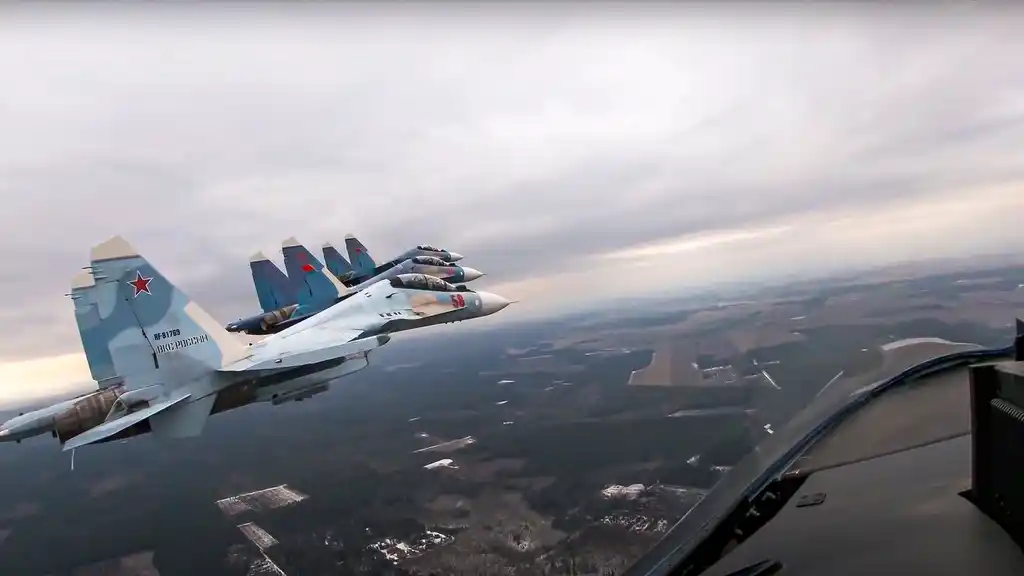
On the morning of October 12, 2023, NATO surveillance tracked several Russian combat aircraft allegedly entering Lithuanian airspace without prior identification or notification. The Lithuanian Defence Minister, Arvydas Anušauskas, confirmed the event, noting that it was not the first instance of unauthorized airspace intrusion by Russian jets in recent months. NATO’s Baltic air policing mission was promptly activated to monitor the situation and ensure the safety of the skies.
According to NATO officials, such incidents have been increasing, with a reported 30% rise in Russian airspace violations in 2023 compared to the previous year. This worrying trend indicates a provocative strategy by Russia, aimed at testing NATO’s responses and resolving to ascertain the alliance’s commitment to defending its member states.
Broader Implications
The incursions have elicited strong condemnation from NATO and have led to discussions about enhancing the alliance’s military readiness in Eastern Europe. Lithuania, Latvia, and Estonia have all voiced concerns over Russian military activities and the need for a robust defense posture in light of these violations. In response, NATO Secretary-General Jens Stoltenberg stated that the alliance stands united and will take necessary measures to ensure the protection of its member states.
This incident comes amidst ongoing debates within NATO regarding the effectiveness of current air policing measures and the adequacy of rapid response forces in Eastern Europe. Military analysts suggest that greater collaboration and exercises must be conducted to improve the interoperability of NATO forces to address such emerging threats effectively.
Conclusion
The incursions of Russian jets into NATO airspace over Lithuania underscore a challenging security landscape in Europe. These events highlight the necessity for heightened vigilance and preparedness among NATO members in the face of escalating tensions with Russia. Moving forward, it is crucial for NATO to reinforce its presence in Eastern Europe and ensure that effective measures are in place to deter future violations, thus reassuring member nations of their security commitments. As the geopolitical climate continues to evolve, the implications of these airspace violations may prove significant in shaping NATO’s defensive posture and strategic planning.