Introduction
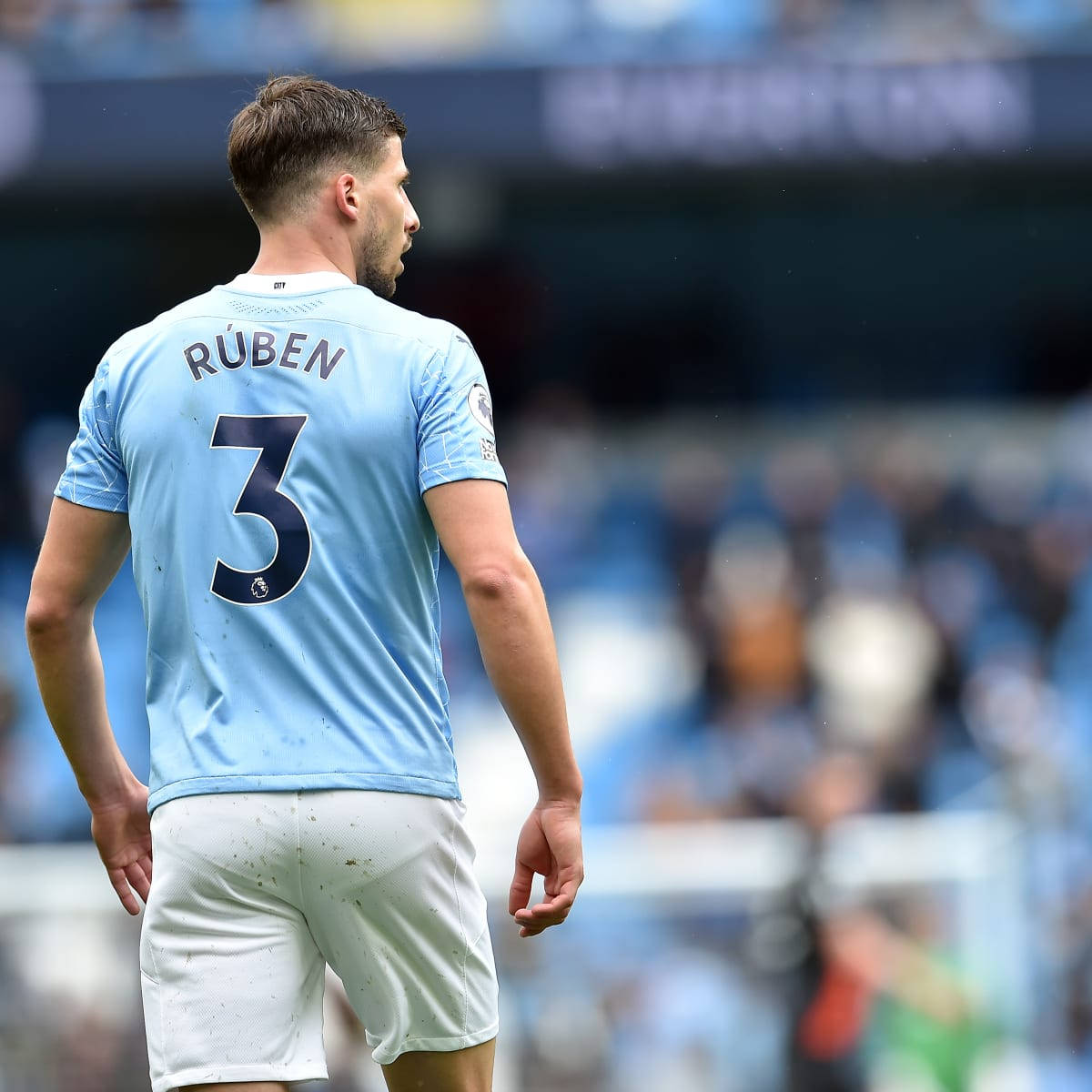
Ruben Dias, the Portuguese footballer currently playing as a central defender for Manchester City, has rapidly ascended to fame in the world of football. Known for his robust defending skills and exceptional leadership on the pitch, Dias’s performance has become a crucial element in his club’s success and the Portuguese national team’s recent successes. As football continues to grow in global popularity, understanding the impact of players like Dias adds depth to the sport’s narrative.
The Journey of Ruben Dias
Born on May 14, 1997, in Barreiro, Portugal, Ruben Dias began his football journey at a young age, joining the youth academy of Benfica in 2008. His rise through the ranks was characterized by an impressive combination of physicality, tactical intelligence, and technical ability. Making his first-team debut in 2016, Dias quickly established himself as a reliable defender, earning praise for his performances in the Primeira Liga.
Move to Manchester City
In September 2020, Dias made a significant career move by joining Manchester City for a reported fee of £64 million, making him one of the most expensive defenders in football history. It did not take long for him to showcase his value; in his debut season, he played a vital role in Manchester City securing the Premier League title and the EFL Cup, while also being named the Football Writers’ Association Footballer of the Year.
International Success with Portugal
On the international front, Dias represented Portugal at various youth levels before making his senior debut in 2018. He was a crucial part of the national squad that won the UEFA Nations League in 2019. Most recently, during UEFA Euro 2020, his commanding performances underlined his importance to the national team as they reached the Round of 16.
Contributions and Legacy
Ruben Dias is not just known for his tactical prowess but also for his ability to lead by example. His communication skills and confidence on the ball have made him a favourite among fans and pundits alike. As he continues to play at the highest levels of football, Dias is poised to leave a lasting legacy in both club and international football. Current forecasts suggest that if he maintains his trajectory, he could be regarded as one of the best defenders of his generation.
Conclusion
Ruben Dias’s rise to prominence illustrates the potential of young talent in football today. As Manchester City and the Portuguese national team benefit from his contributions, fans across the globe are witnessing the evolution of a football star. The future holds significant promise for Dias as he strives to enhance his legacy and inspire the next generation of players.