Introduction
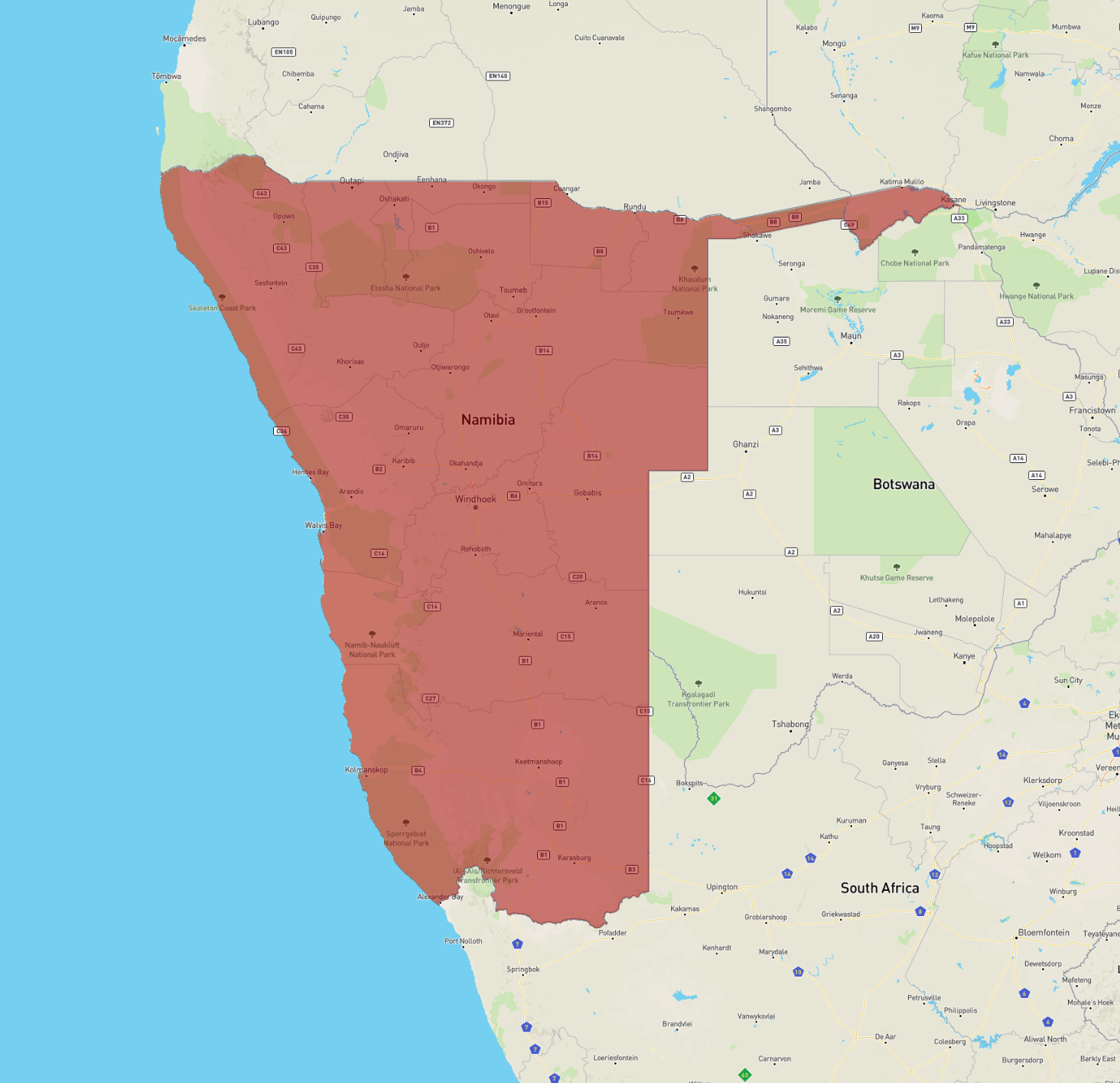
Namibia, located in southwestern Africa, is renowned for its stunning natural landscapes, diverse ecosystems, and rich cultural heritage. With its vast deserts, unique wildlife, and ancient rock art, Namibia is not only a travel hotspot but also a crucial part of Africa’s identity. The country has been gaining attention as a premier ecotourism destination, making it especially relevant in today’s travel discussions.
Geographical and Cultural Diversity
Stretching over 825,615 square kilometres, Namibia is home to several major desert regions, including the Namib Desert along the Atlantic coast, which is home to the world’s highest sand dunes at Sossusvlei. This stark beauty is complemented by the stunning Fish River Canyon, one of the largest canyons in the world. Beyond its remarkable geography, Namibia’s cultural tapestry is woven from the traditions of various ethnic groups including the Himba, Herero, and San peoples, each contributing to the nation’s rich heritage.
Wildlife and Conservation Efforts
Namibia is widely known for its commitment to wildlife conservation. The country has made significant strides in preserving its abundant wildlife, including the iconic African elephant, black rhino, and various antelope species. Conservation initiatives, such as community-based conservation projects, have empowered local communities to engage in responsible tourism, allowing for the sustainable management of natural resources while providing economic benefits. The Etosha National Park is a prime example, where visitors can observe an array of wildlife in their natural habitat.
Tourism Trends and Future Prospects
Over the past few years, tourism in Namibia has seen a steady increase. In 2022, the country welcomed nearly 1.5 million international visitors, reflecting a growing interest in adventure tourism, cultural experiences, and eco-friendly travel options. However, the COVID-19 pandemic posed significant challenges, but recovery efforts are well underway. The Namibian government is actively promoting its attractions, from hiking in the Fish River Canyon to exploring the unique landscapes of the Namib-Naukluft National Park.
Conclusion
Namibia stands out as a unique travel destination, offering a combination of breathtaking natural beauty, rich cultural experiences, and a robust commitment to conservation. As global travel continues to evolve, Namibia’s focus on sustainable tourism and meaningful engagement with local communities will likely position it as a must-visit destination for eco-conscious travellers. The significance of exploring Namibia goes beyond adventure; it encompasses the appreciation of a country that embraces its heritage while pioneering innovative ways to protect its environment for generations to come.