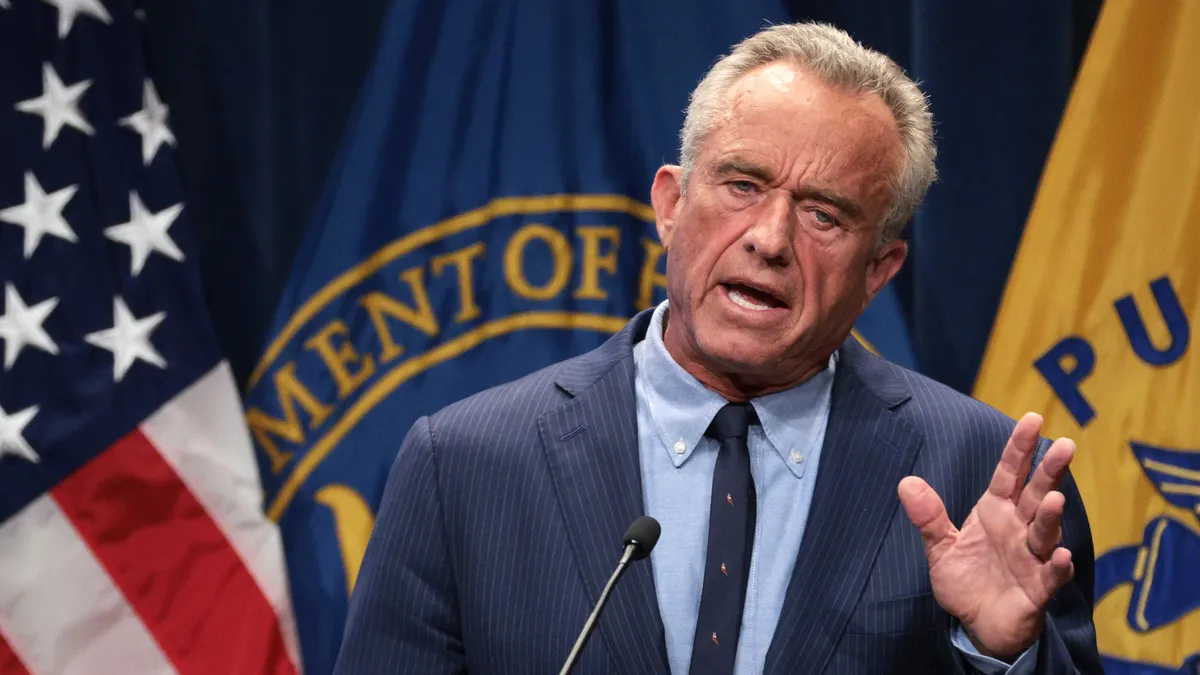
In early 2026, the landscape of childhood vaccinations in the United States shifted dramatically when Robert F. Kennedy Jr., the nation’s top health official, announced plans to end broad recommendations for vaccinations against several diseases. This announcement raised alarms among leading medical groups, who feared that such changes would undermine long-standing protections against preventable diseases.
On March 16, 2026, a federal judge intervened, temporarily blocking federal health officials from cutting the number of vaccines recommended for children. The judge’s ruling came in response to concerns that Kennedy had likely violated federal procedures while revamping the Advisory Committee on Immunization Practices (ACIP), a key advisory body responsible for vaccine recommendations.
How it unfolded
The controversy began to escalate when Kennedy, in a unilateral decision, fired the entire 17-member panel of the ACIP the previous year. This action was met with fierce criticism from various stakeholders, including Rosa DeLauro, who condemned the changes as not based on scientific evidence and potentially putting children at risk. DeLauro emphasized that there was no new data or medical expert review supporting Kennedy’s modifications to the vaccination schedule.
In the wake of these developments, the American Academy of Pediatrics took legal action by amending a lawsuit aimed at halting the scaling back of the vaccination schedule. They argued that Kennedy’s changes could lead to increased outbreaks of preventable diseases, which would have dire public health implications.
Furthermore, the judge’s ruling mandated that all appointments and decisions made by the reformed committee be put on hold, effectively restoring the previous structure of the ACIP. This decision was seen as a critical step in maintaining the integrity of the vaccination process, which has been a cornerstone of public health in the United States.
In addition to the legal battles, the debate surrounding Kennedy’s policies has also sparked discussions about the broader education of medical professionals. A medical student highlighted the lack of nutrition and preventive care education in medical training, which has been a point of contention in the ongoing discourse about healthcare reform. In response to these concerns, 53 medical schools agreed to enhance their curriculum by incorporating more nutrition education, aligning with Kennedy’s call for a more comprehensive approach to health education.
As of now, the future of Kennedy’s vaccine policy remains uncertain, with legal challenges continuing to unfold. The implications of this sequence of events are significant for public health, as the decisions made in the coming months will determine the vaccination landscape for children across the nation. The ongoing scrutiny of Kennedy’s actions underscores the importance of evidence-based practices in healthcare and the potential risks associated with unilateral policy changes.