Introduction
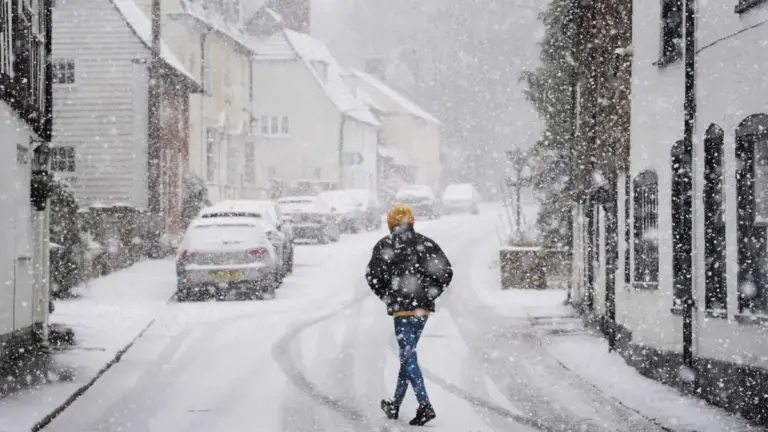
As winter grips the UK, snowfall has become a topic of significant interest and concern. This year, the country has witnessed fluctuating temperatures, leading to snowfall in various regions, affecting transport, infrastructure, and daily life. Understanding these weather patterns is crucial for preparing individuals and communities for potential disruptions.
Recent Snowfall Events
In December 2023, several parts of the UK experienced record low temperatures alongside significant snowfall, particularly in northern regions such as Scotland and parts of northern England. Reports from the Met Office indicated that some areas received nearly 30cm of snow within a short period, causing widespread disruption to road and rail travel. Flights were delayed or cancelled at major airports like Edinburgh and Manchester, impacting holiday travel plans for many.
Local authorities responded promptly, deploying snow plows and gritting services to main roads and highways. However, rural areas faced more difficulties, with some villages becoming isolated due to blocked roads. Emergency services advised residents to remain indoors unless necessary, especially during the peak of the snowstorm.
Impact on Daily Life
The snowfall has also affected schools, with several shutting down or shifting to online learning platforms. While some families enjoyed the snow with winter sports and festive activities, the adverse effects highlighted the vulnerabilities of urban planning and infrastructure in coping with such weather conditions. Key sectors, including retail and logistics, reported disruptions, leading to supply chain challenges particularly in perishable goods and winter clothing lines.
Future Forecasts
Looking forward, the Met Office forecasts suggest an ongoing likelihood of further snowfall in January 2024, which is expected to affect travel plans for New Year and early January sales. Climate scientists have noted an increase in erratic weather patterns attributed to climate change, which may result in more frequent severe weather events across the UK. As such, communities and local governments may need to rethink their approaches to winter weather preparedness.
Conclusion
The snowfall across the UK serves as a reminder of the changing climate and its implications on everyday life. As weather patterns evolve, the need for efficient infrastructure and community preparedness becomes essential. Understanding these trends not only helps individuals navigate challenges but also encourages discussions on broader climate issues and adaptation strategies. Residents are urged to stay informed and ready for more unpredictable weather as winter progresses.