Introduction
As winter approaches, the UK is facing an intense Arctic blast that is expected to significantly alter weather conditions across the nation. This sudden shift brings attention to the importance of preparing for severe cold weather, which can lead to travel disruptions and safety concerns. Understanding the implications of this Arctic influence is essential for residents and authorities alike.
Current Weather Patterns
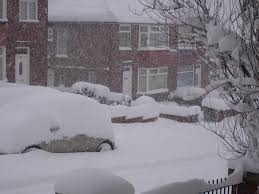
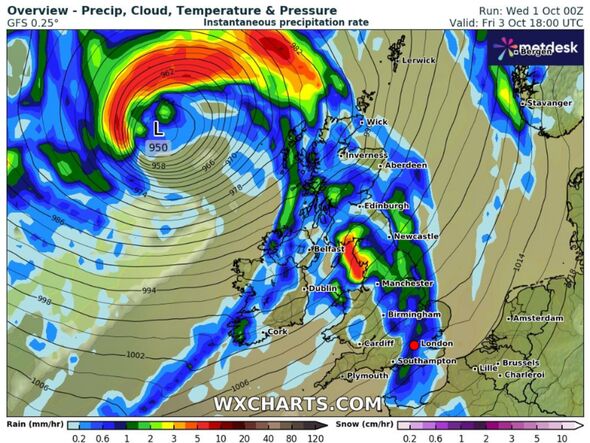
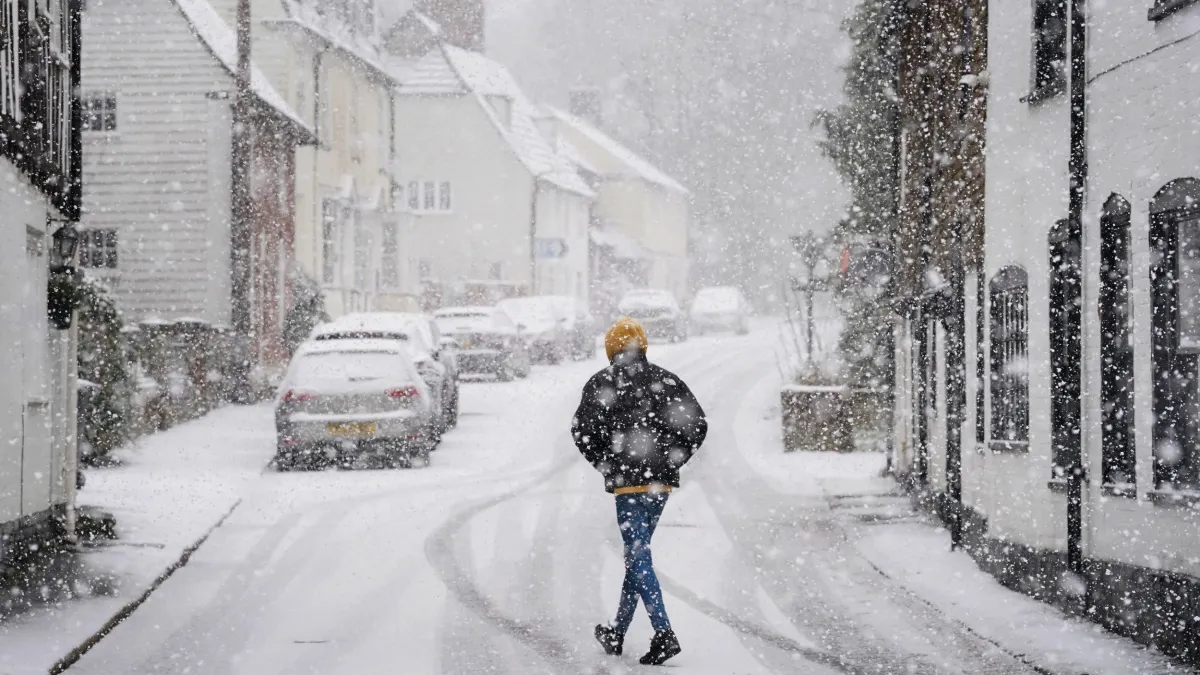
According to the Met Office, the Arctic blast has brought a dramatic drop in temperatures, with some areas experiencing lows of -5°C overnight. Regions in Scotland and the North East of England have reported heavy snowfall, leading to challenging travel conditions. Road and rail services are facing delays, and several schools have opted to close to ensure student safety. Meteorologists expect these conditions to persist in the coming days, with possible further snowfall expected into next week.
Preparedness and Safety Measures
In light of the current situation, local councils and emergency services are urging residents to prepare for the harsh weather. Recommendations include staying indoors if possible, checking on vulnerable individuals, and avoiding unnecessary travel. The NHS has also issued advice on how to stay warm and healthy during extreme cold, emphasising the importance of maintaining home heating and dressing appropriately to avoid frostbite and hypothermia.
Long-Term Forecast
Looking ahead, weather experts suggest that while this Arctic blast may bring short-term disruptions, it could also lead to milder temperatures later in winter. However, the unpredictability of weather patterns means that residents should remain vigilant throughout the season. The impact of climate change on weather systems is also a growing concern, as it may further complicate future forecasts and trends.
Conclusion
The Arctic blast currently affecting the UK serves as a reminder of the powerful influence of weather patterns on everyday life. As the cold snap continues, staying updated on forecasts and adhering to safety advisories will help mitigate risks associated with extreme temperatures. Preparedness is key, and while we face the chill of winter now, a shift in patterns later may provide some respite, highlighting the dynamic nature of our climate.